Solar Installations

Introduction


Farms and rural operations need reliable power for irrigation, boreholes, cold storage, workshops and pumps. On many of these sites, grid outages and reliance on generators hit daily production directly.

Fuel sites and depots have the same problem. Pumping, dispensing, controls, communications, lighting and the office all have to keep running. Solar power and battery storage help on both kinds of site.

Combe 90 designs, installs, commissions and maintains solar PV and battery storage systems for commercial, agricultural, municipal and remote sites.

We bring the same engineering, telemetry and monitoring experience we use in the water and petroleum sectors. Before we design anything, we look at the site's demand, its critical equipment and its measured consumption. Each system is planned around how that site actually runs.


Our Solar Solutions


Every system is sized to the site: its load profile, the roof or ground space available, how long it must run through an outage, and which equipment has to stay on.

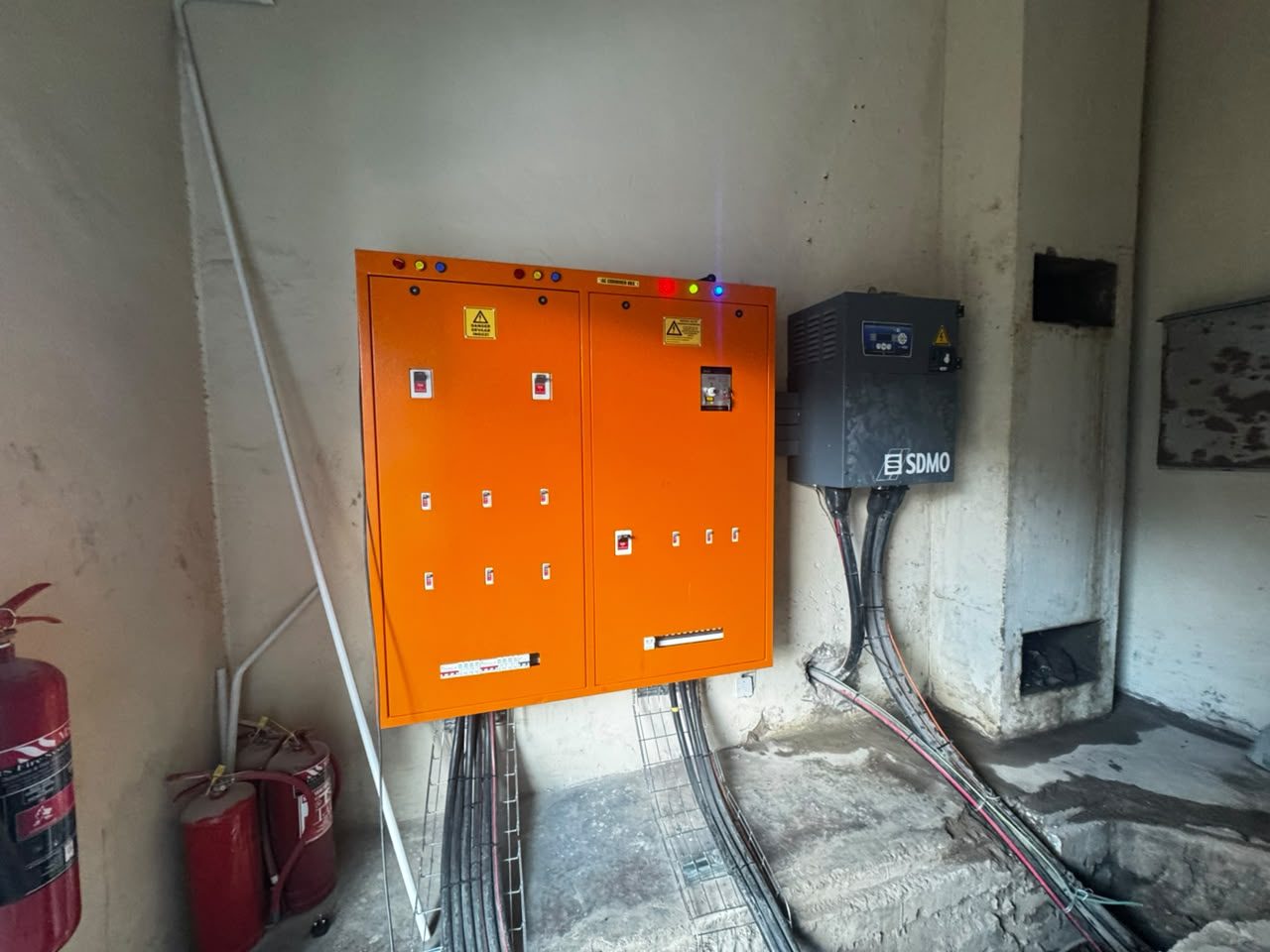
  • Commercial and industrial solar and micro grids: Fully integrated with Eskom or municipal supply and diesel generators, switching between battery, grid and diesel.
  • Solar for agriculture: Solar water pumping, off-grid systems for pack houses and farm houses, and battery storage.
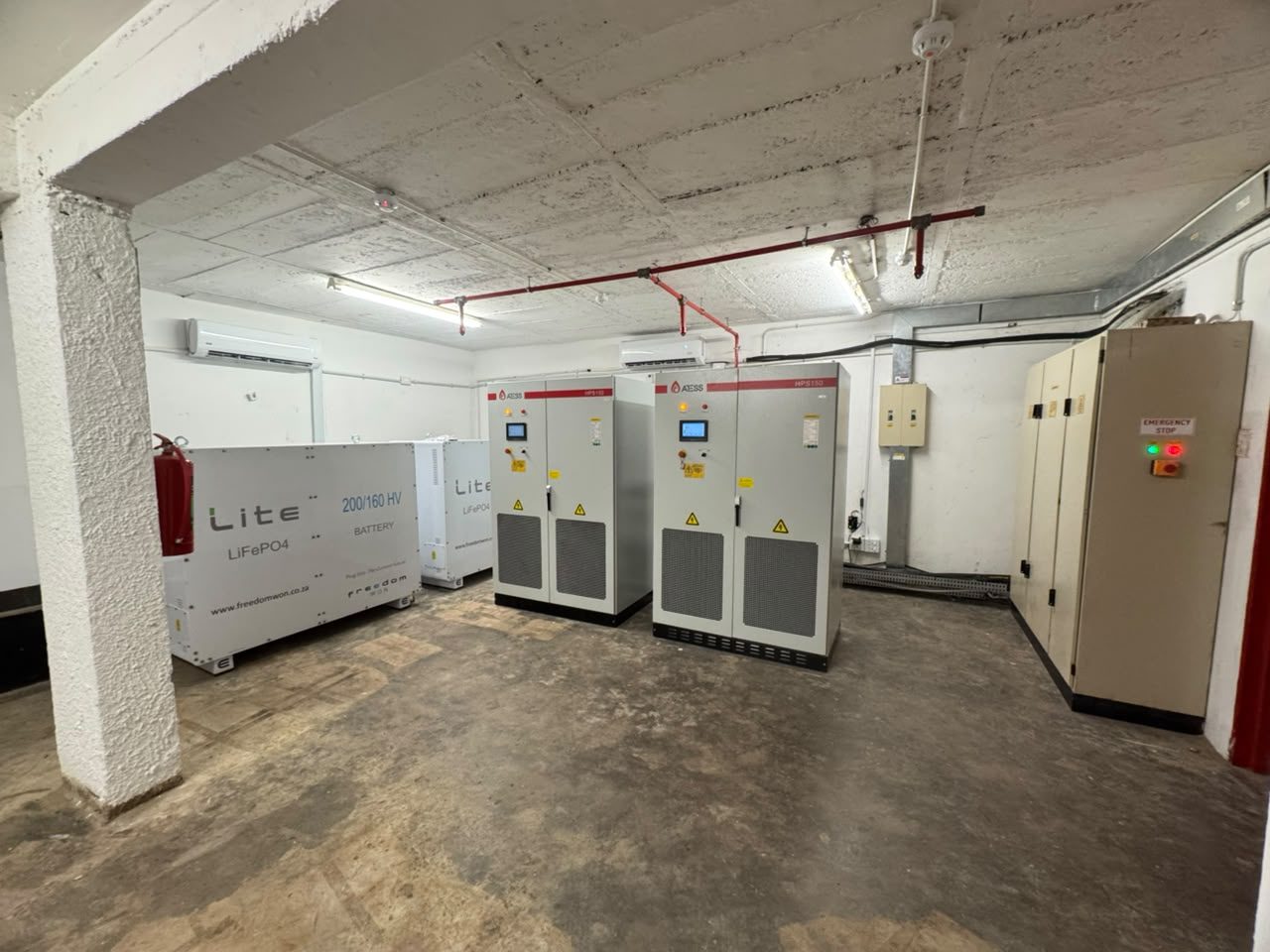
  • Battery energy storage: Batteries that store solar power and carry the site's loads when needed.
  • Solar maintenance and monitoring: Routine checkups, real-time performance monitoring and robotic panel cleaning.
  • Turnkey solar projects: From first concept to a fully working system, with maintenance for its whole life.
  • Energy audit and green consulting: We measure how you use energy so that solar and efficiency decisions are based on real numbers.
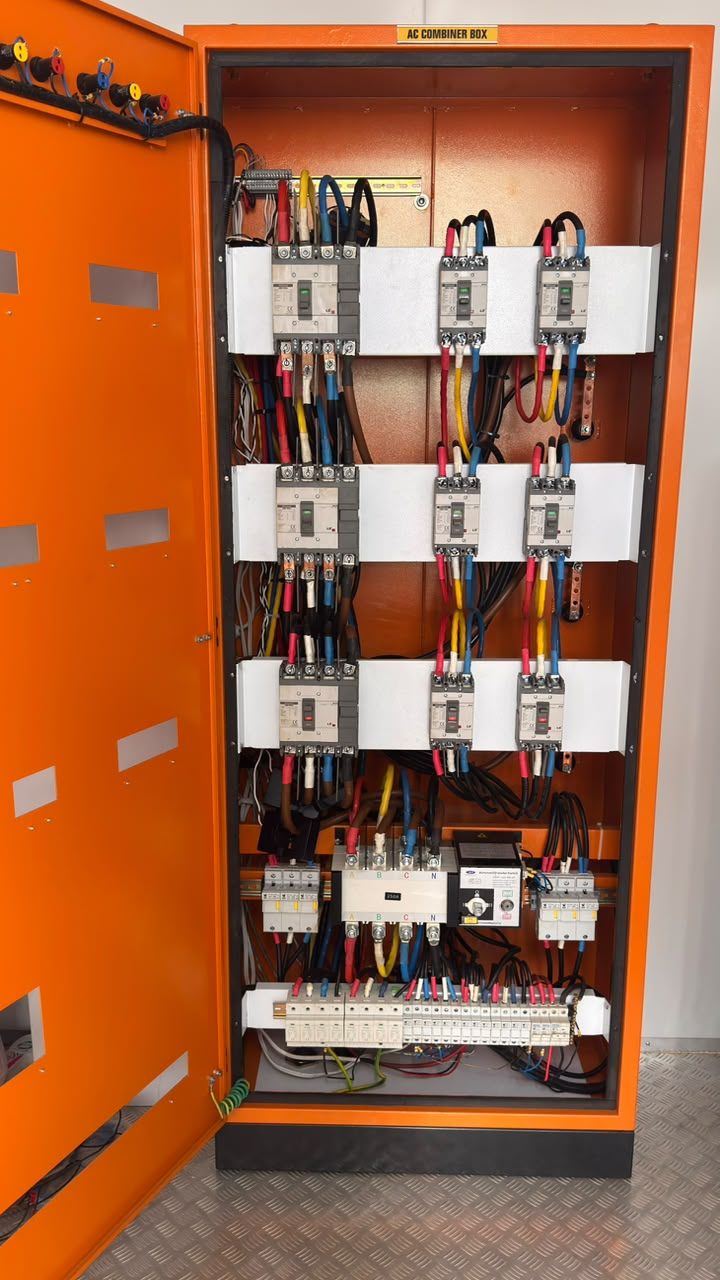
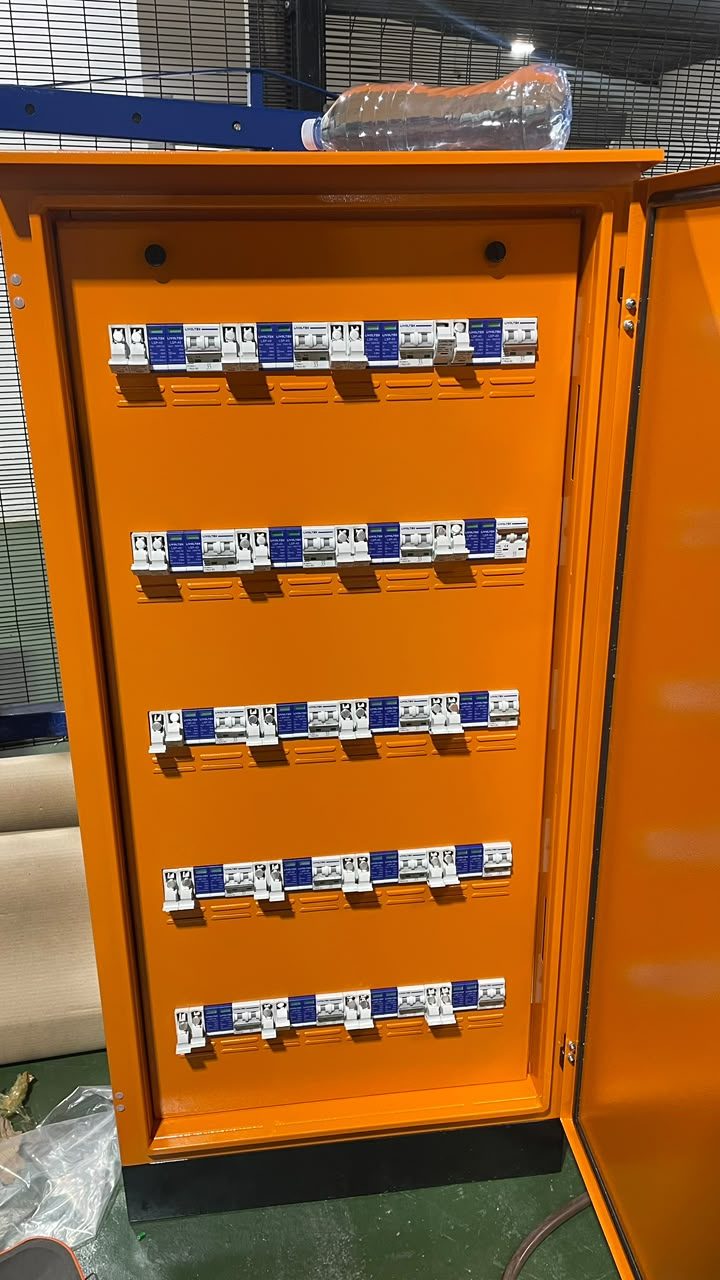
Distribution board wiring and protection detail

Distribution board wiring and protection detail.

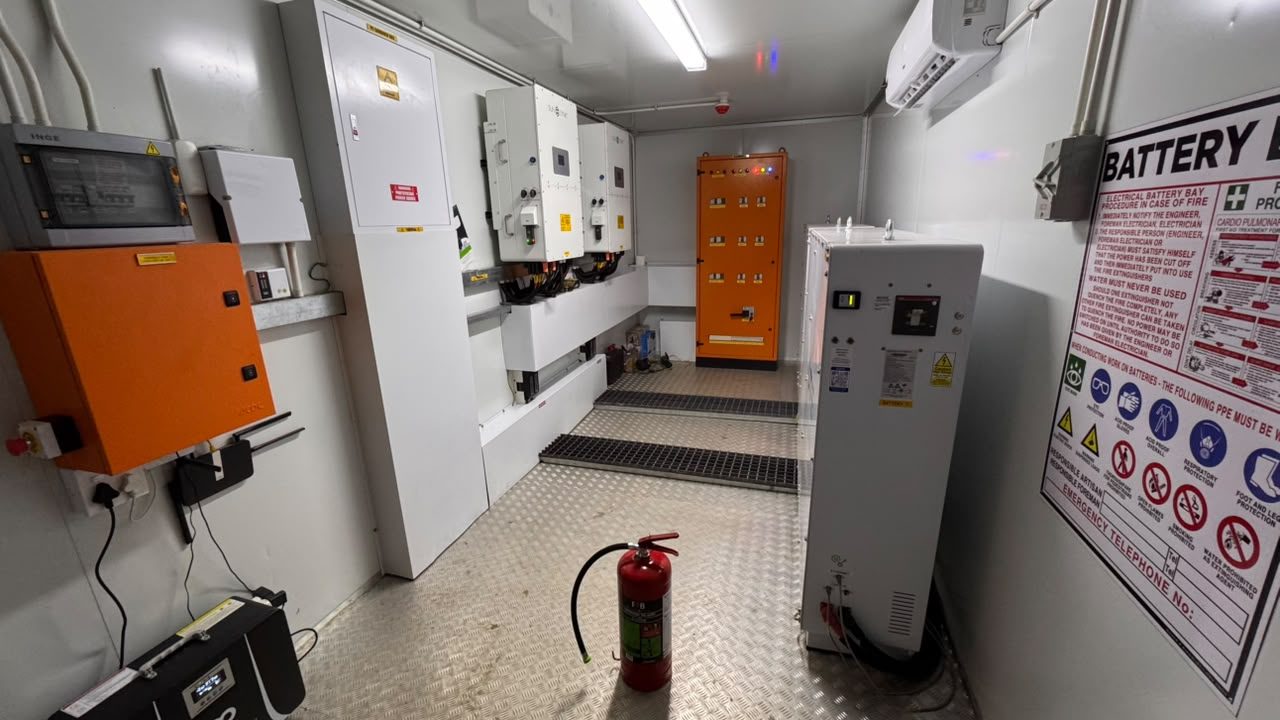
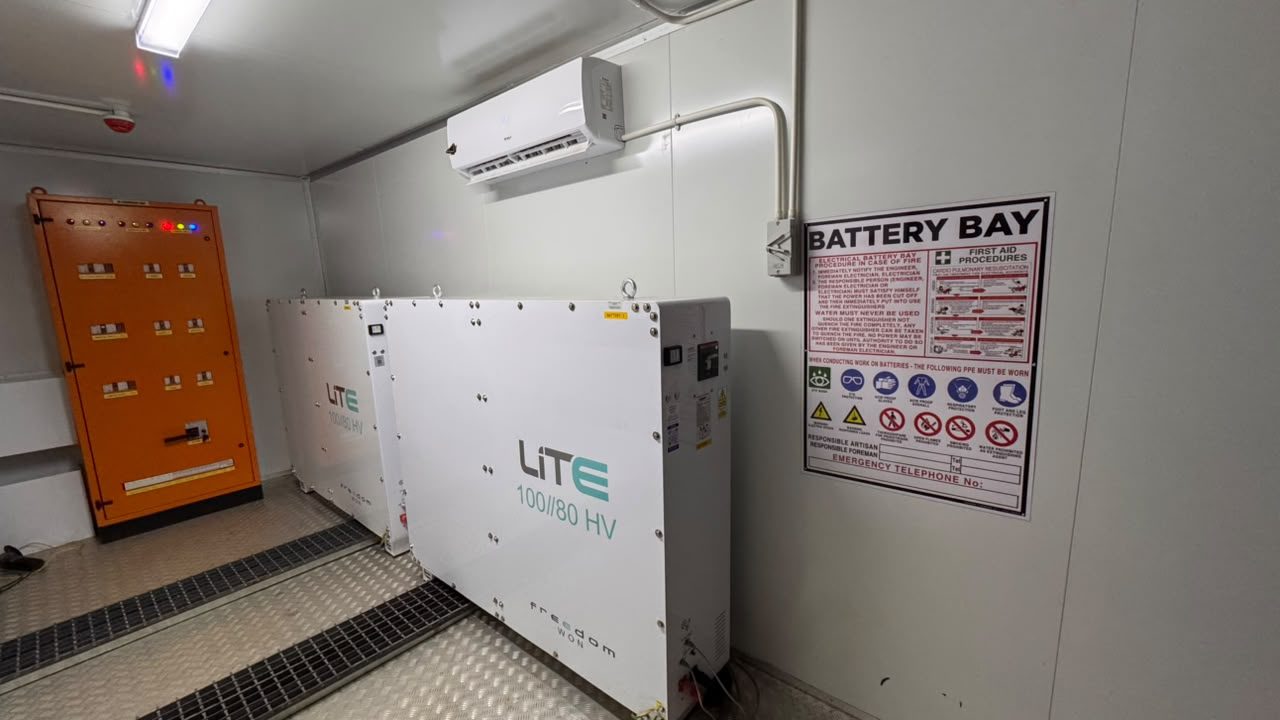
Battery bay with environmental control and isolation

Battery bay with environmental control and isolation.


Solar for Agriculture


Our agricultural solar work covers solar water pumping, off-grid systems for pack houses and farm houses, and battery storage. Each setup is matched to the working loads of the farm.

NERSA has approved electricity tariff increases of 12.7% in April 2025, 8.76% in April 2026 and 8.83% in 2027. That keeps pushing up costs for any operation with heavy electrical loads. In South African agriculture, electricity already makes up about 10–20% of variable input costs.

Irrigation works hardest in daylight, which is exactly when solar produces power. Centre-pivot and drip irrigation, boreholes and their pumps all draw most of their load while the sun is up. Solar also cuts generator run time, and the generator stays available as backup where the site needs it.

Our fuel work is built on “Know Your Fuel. Protect Your Farm.” Solar brings the same idea to the farm's electricity.
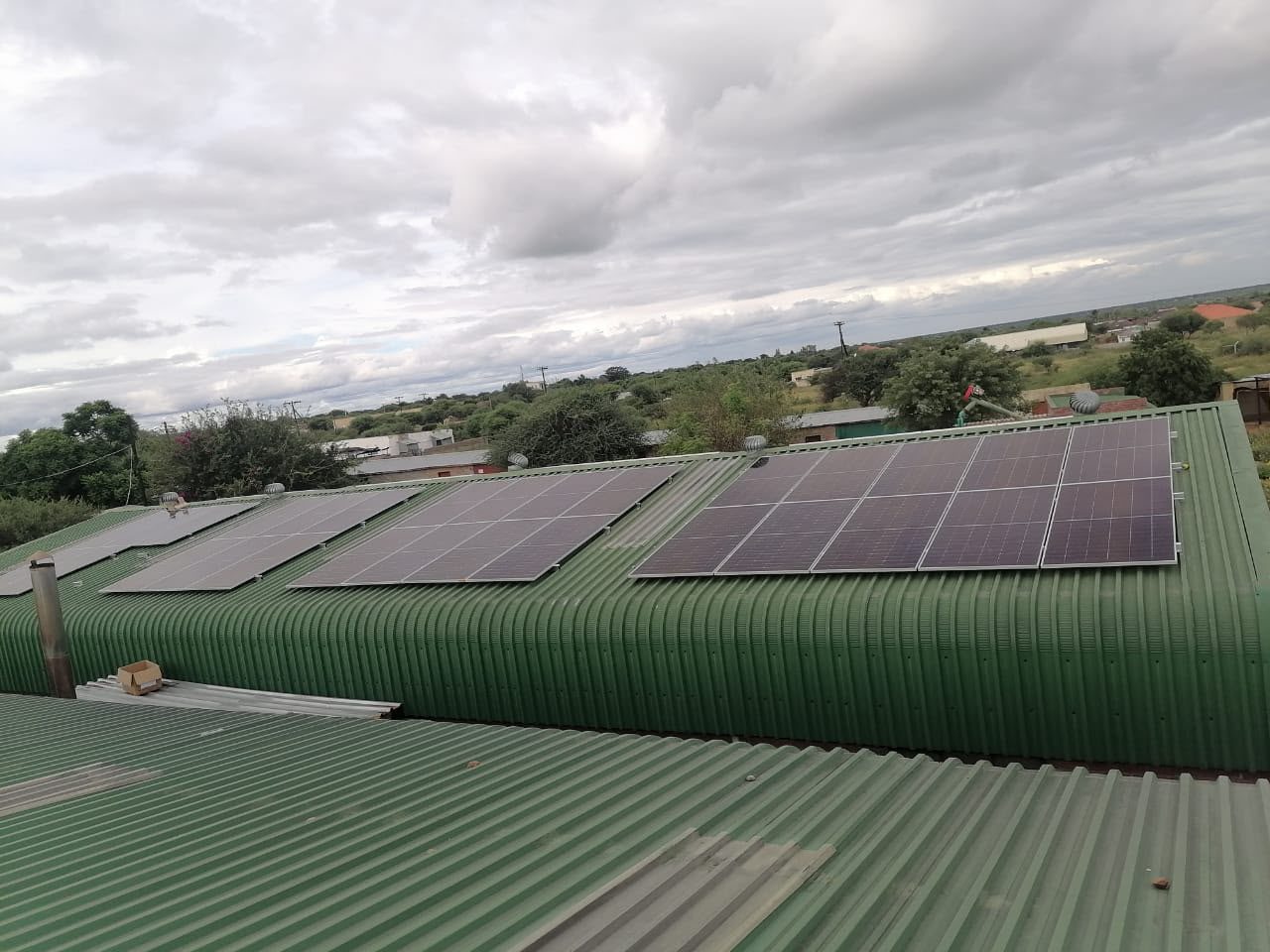
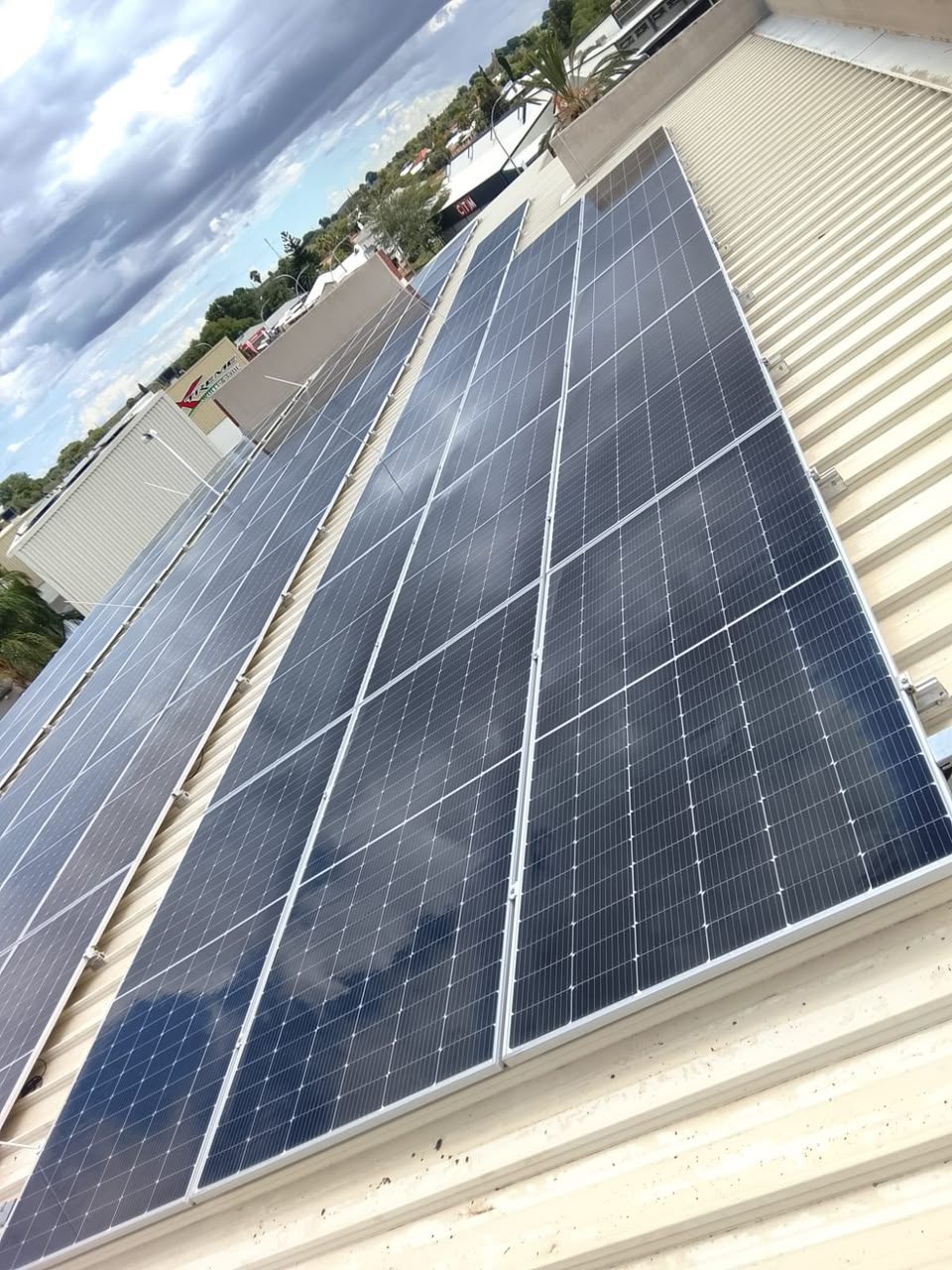
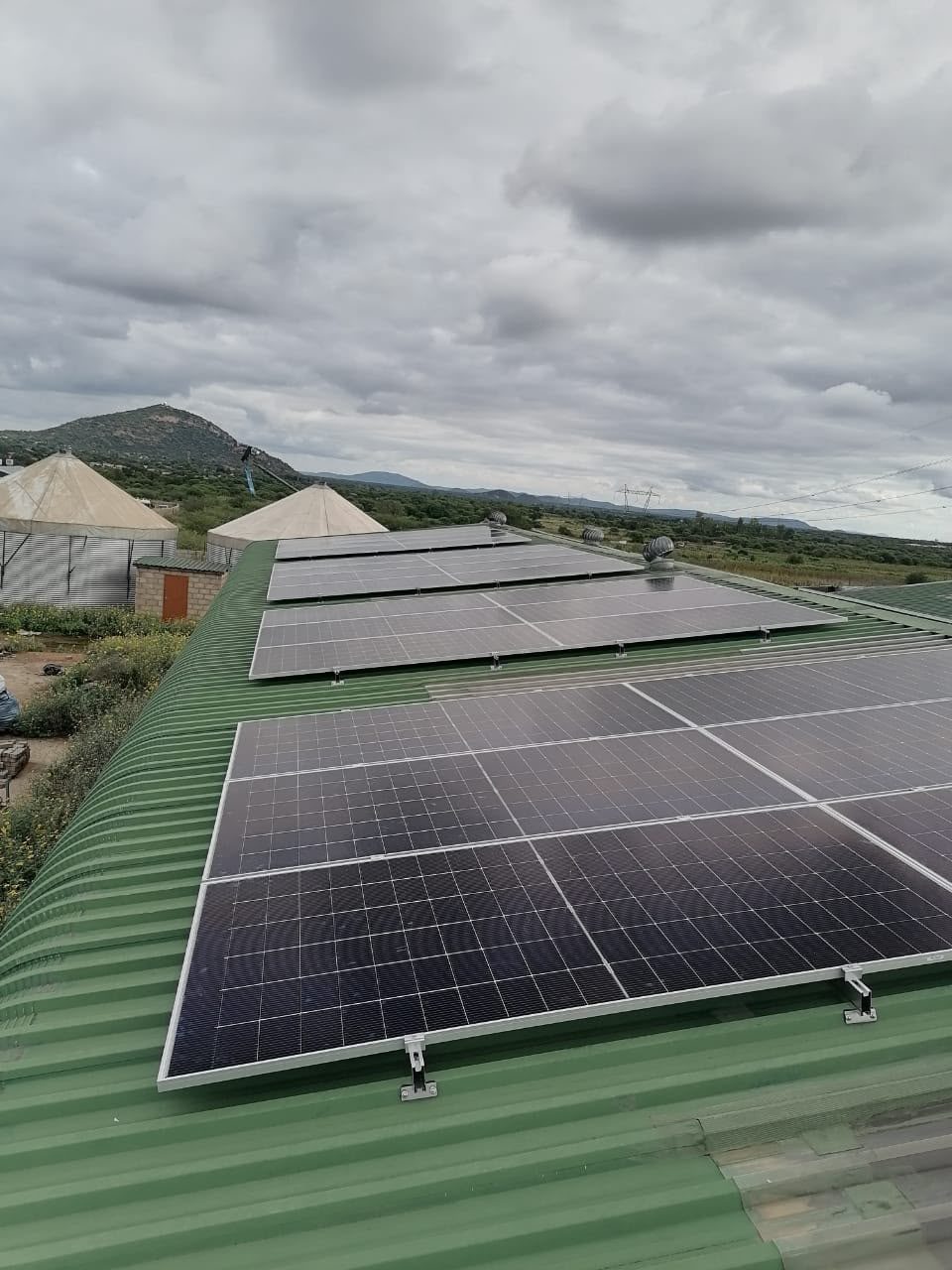
Sheeted-roof photovoltaic array at an agricultural building

Sheeted-roof photovoltaic array at an agricultural building.


Monitoring and Telemetry


Combe 90 already monitors tanks and fleets remotely. Operators can see their assets, consumption and any exceptions without visiting the site.

We do the same for power. Solar production, site consumption, battery condition and grid usage are all tracked as operating data. You can check performance against what the site needs and spot problems early.

With monitoring in place, you can confirm the system is performing, plan maintenance and make better use of the power you have.

Routine maintenance, real-time performance monitoring and panel cleaning run alongside the tank and fleet monitoring we already provide.
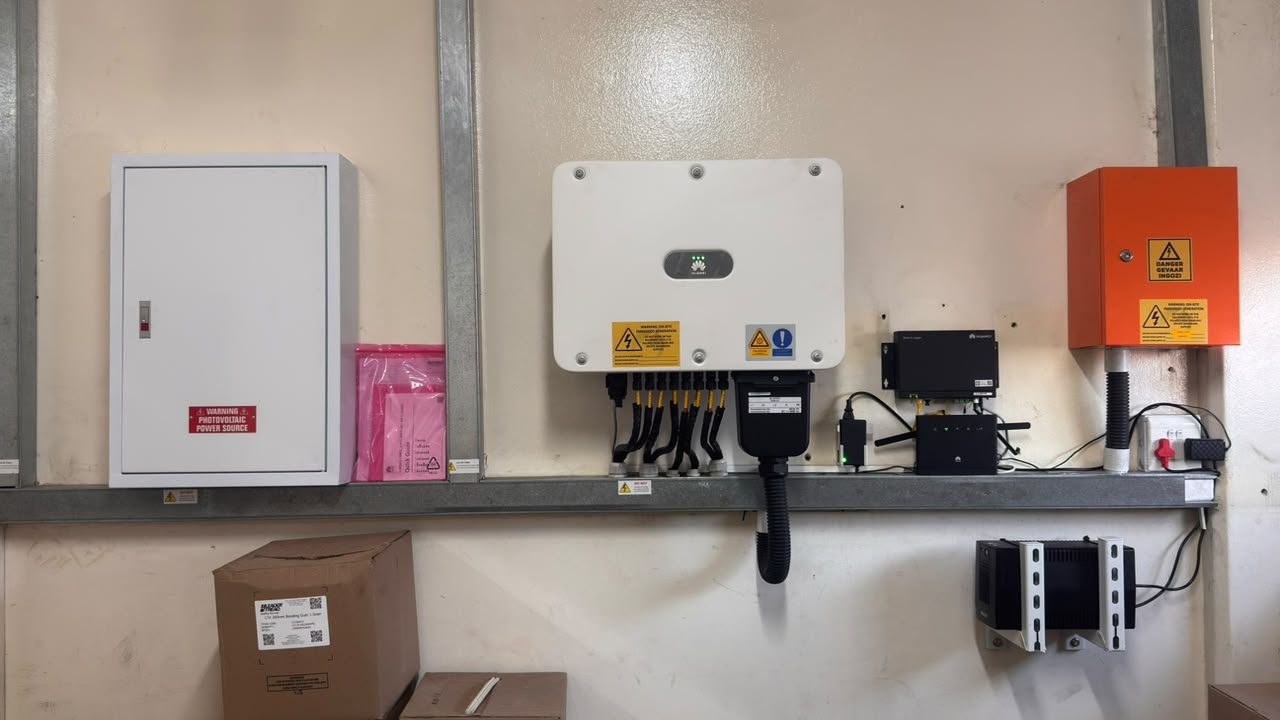
Inverter, metering and monitoring interface

Inverter, metering and monitoring interface.


01 — Sites and arrays

Installations


Rooftop and ground-mounted systems on commercial, agricultural, municipal and remote sites, each sized to the measured load and the space available.
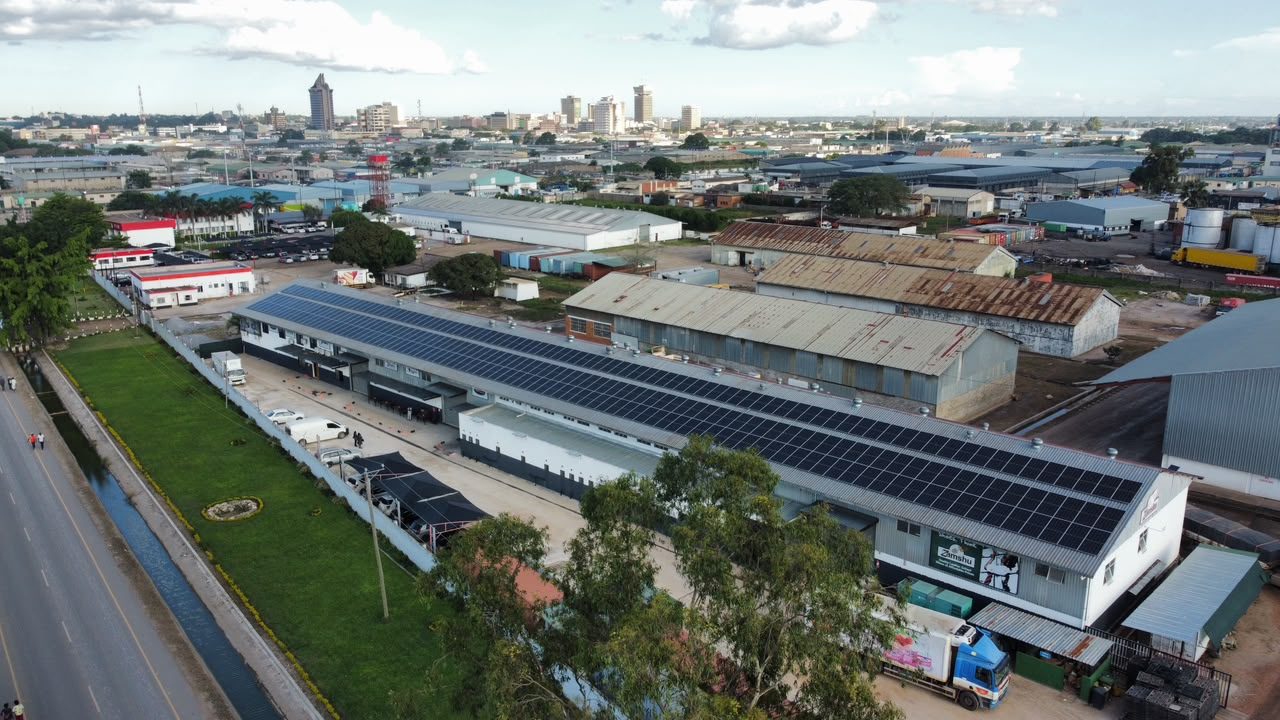
Commercial rooftop array, industrial district
01Commercial rooftop array, industrial district

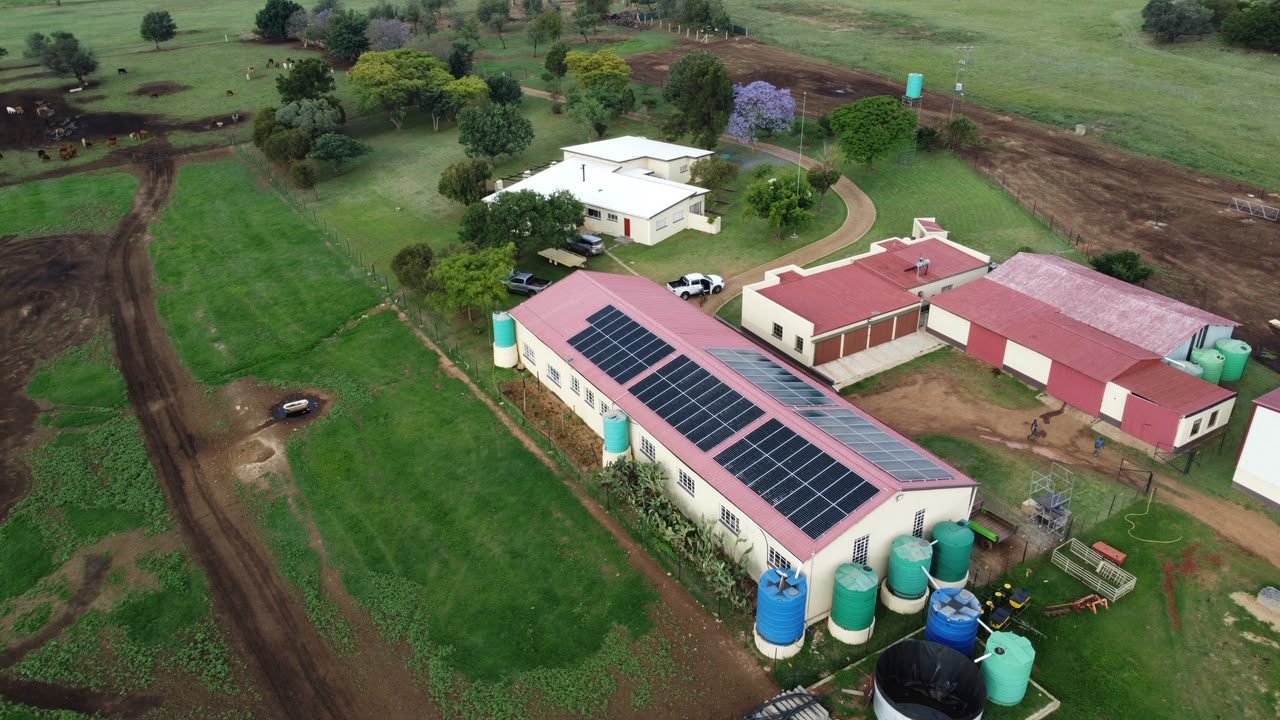
Rooftop generation and water storage, agricultural site
02Rooftop generation and water storage, agricultural site

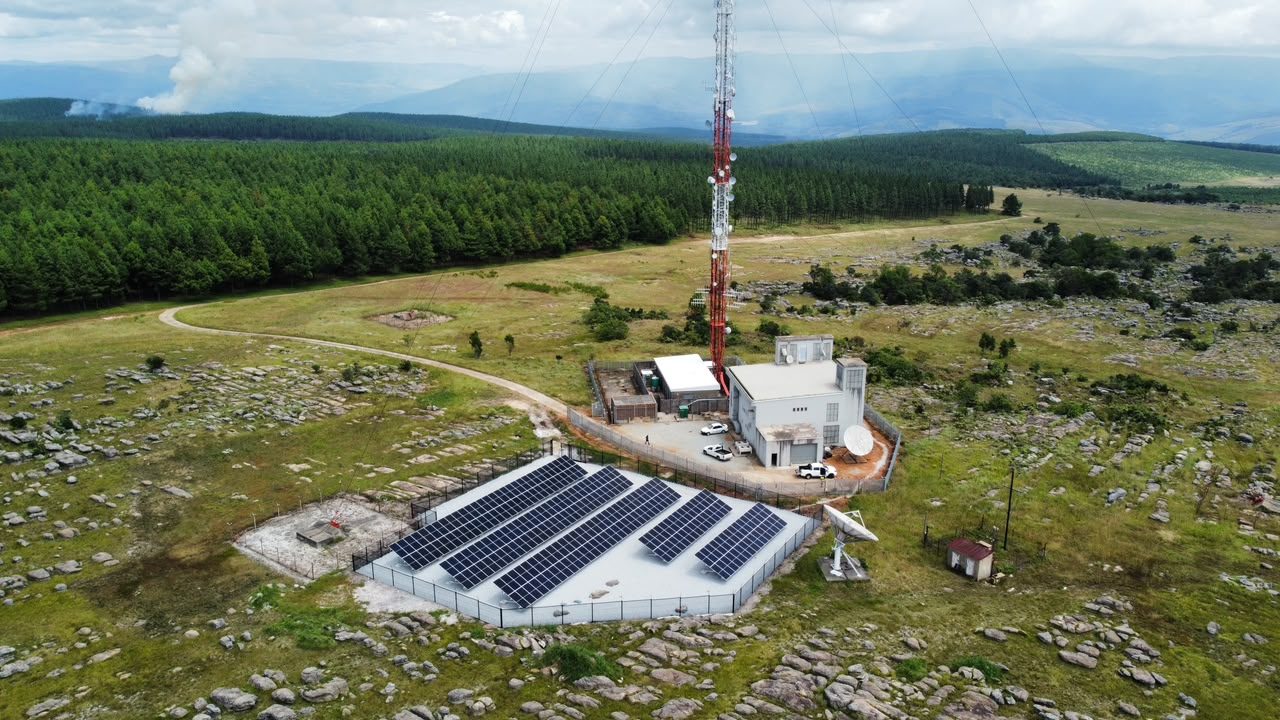
Ground-mounted array, remote communications site
03Ground-mounted array, remote communications site

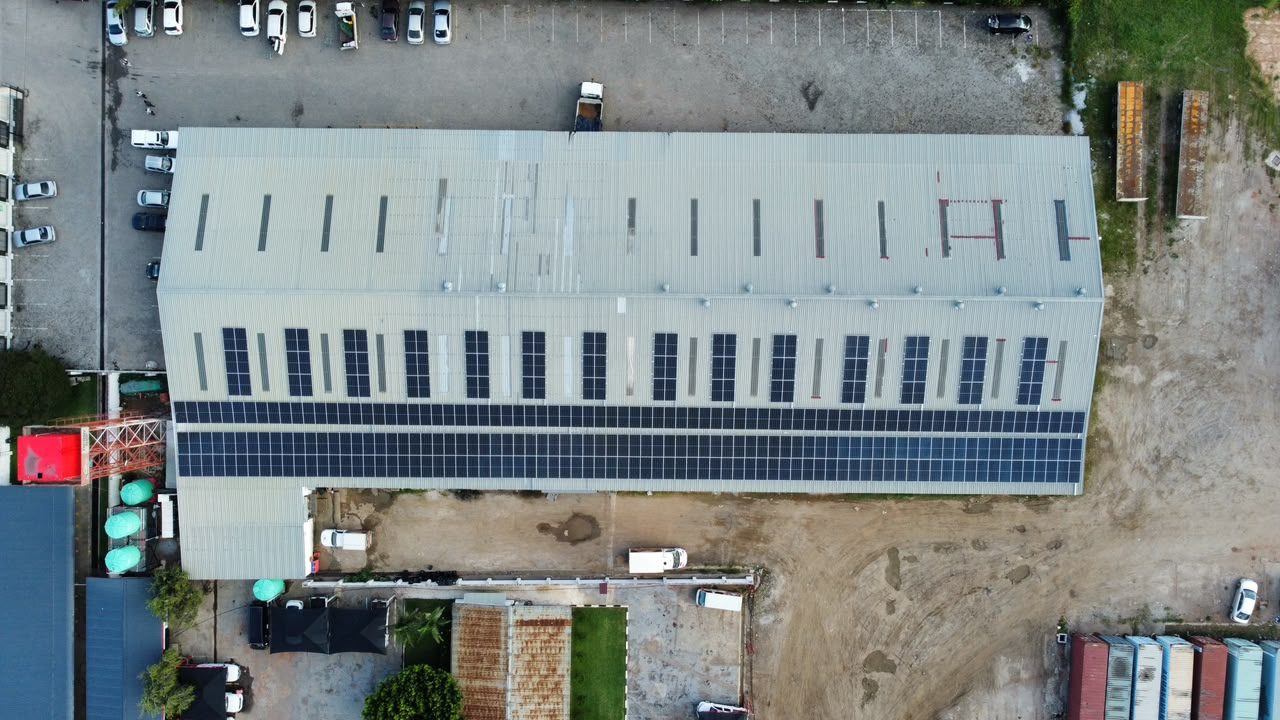
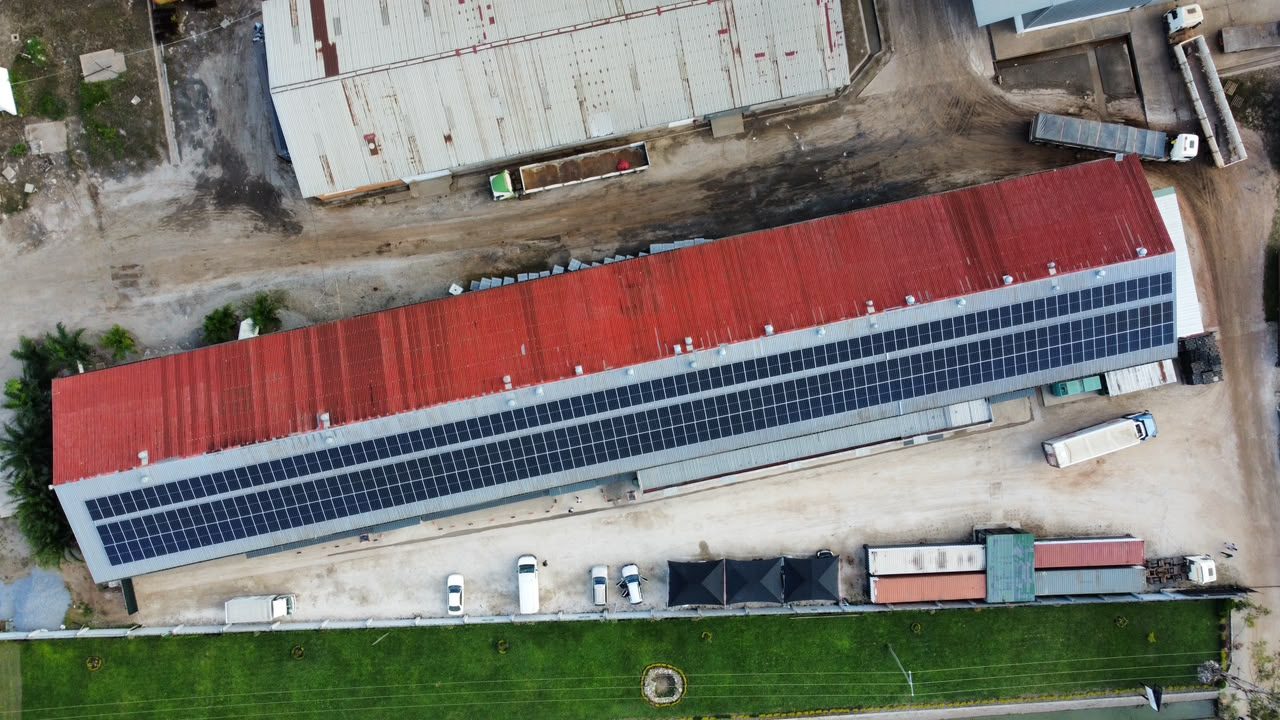
Full-span rooftop array, distribution warehouse
04Full-span rooftop array, distribution warehouse

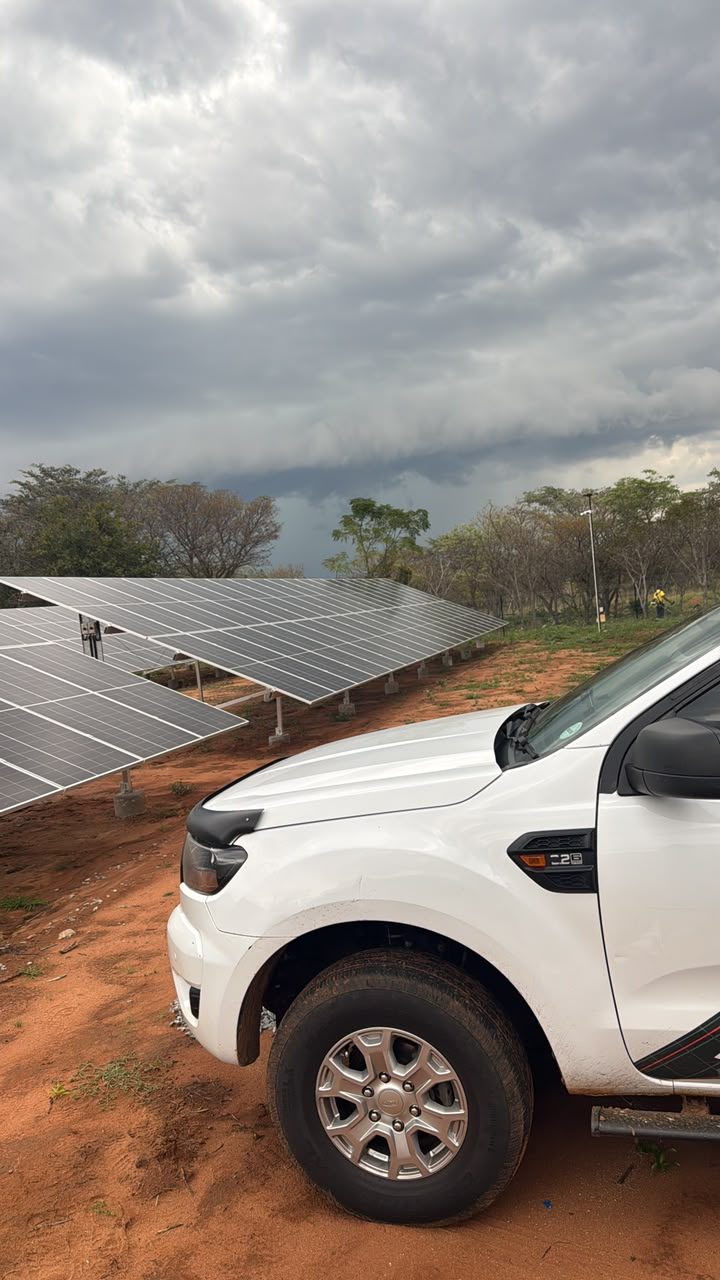
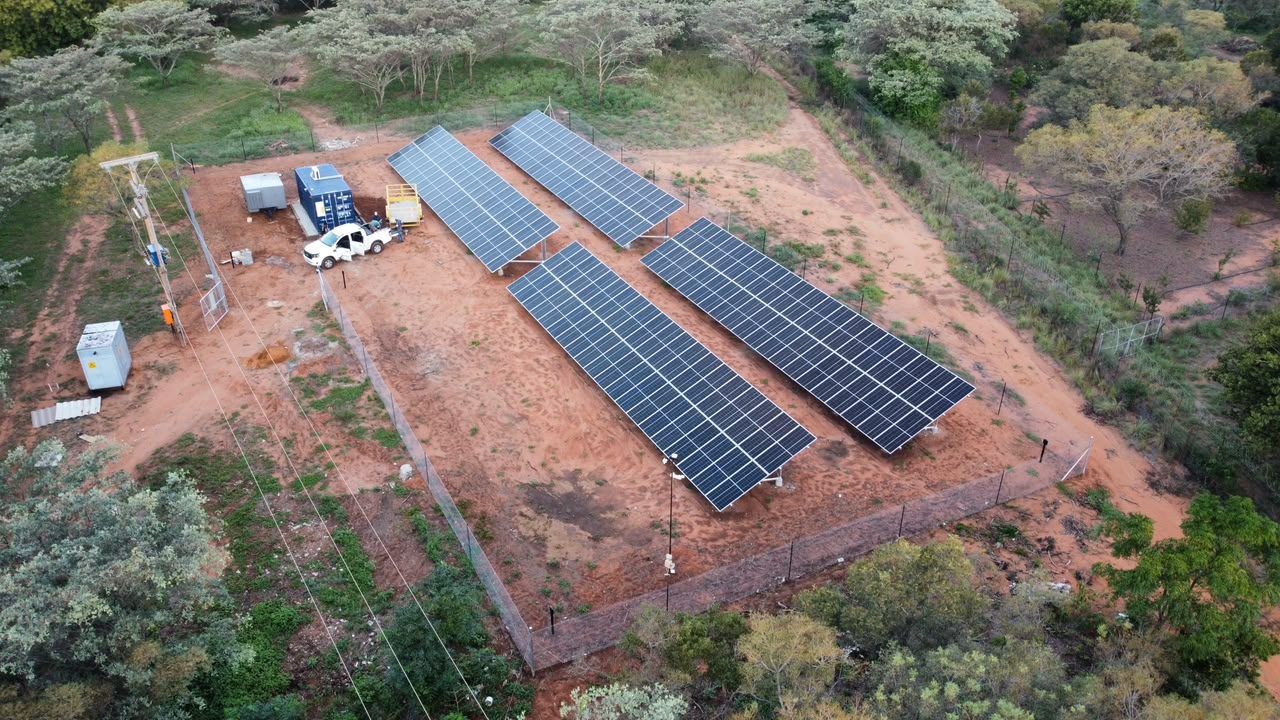
Ground-mounted array on a cleared site

05Ground-mounted array on a cleared site
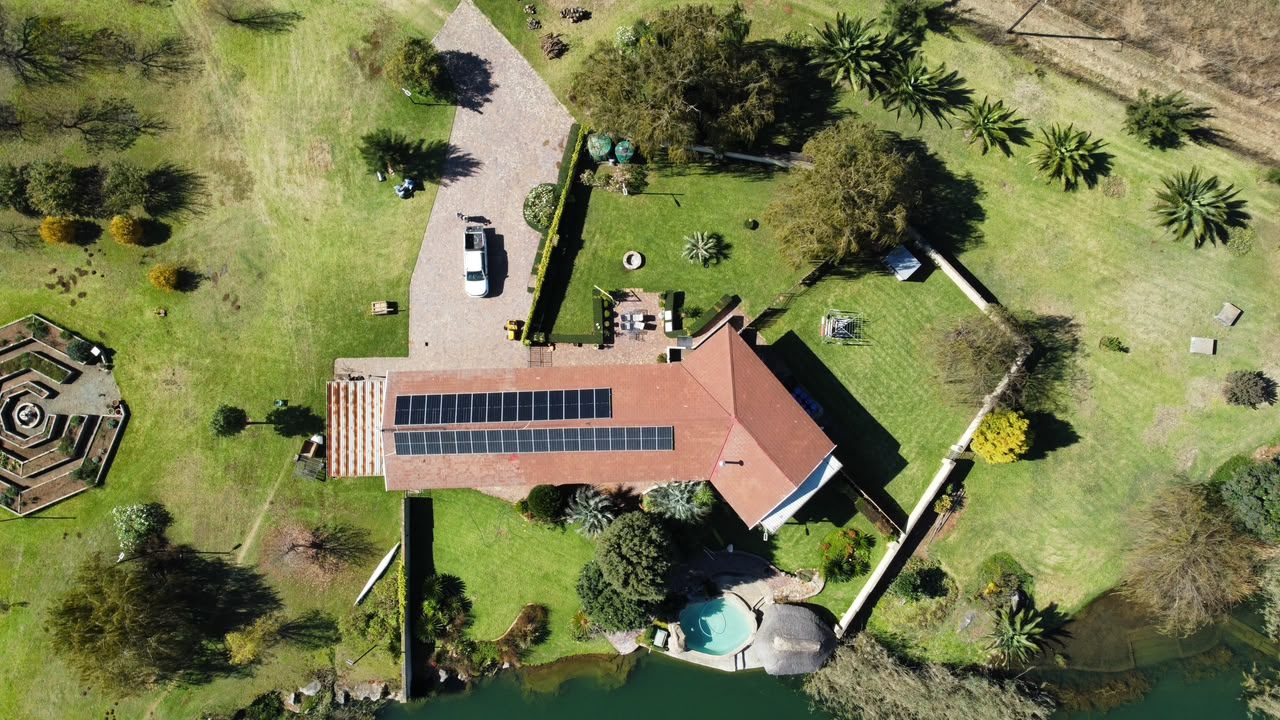
Rooftop installation, residential property

06Rooftop installation, residential property

Sheeted-roof array, agricultural building
07Sheeted-roof array, agricultural building

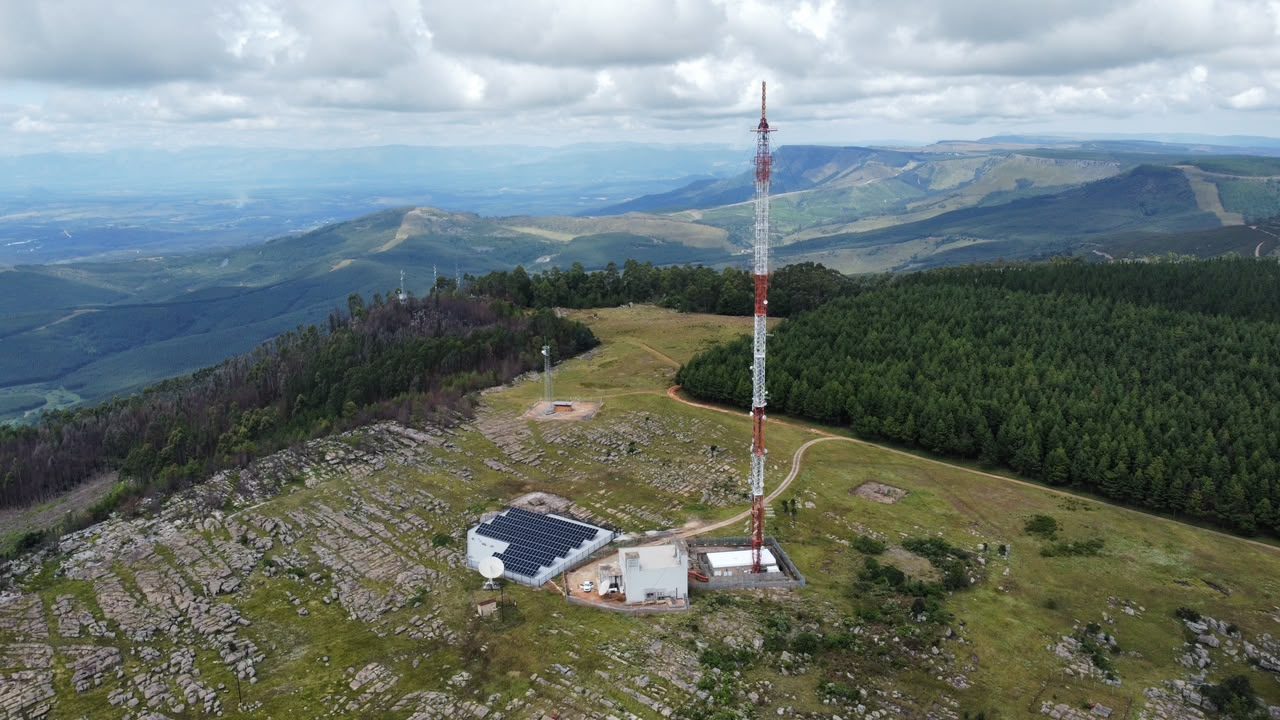
Mast-side generation, high-altitude site
08Mast-side generation, high-altitude site

Tilt-frame modules on a low-pitch roof

09Tilt-frame modules on a low-pitch roof
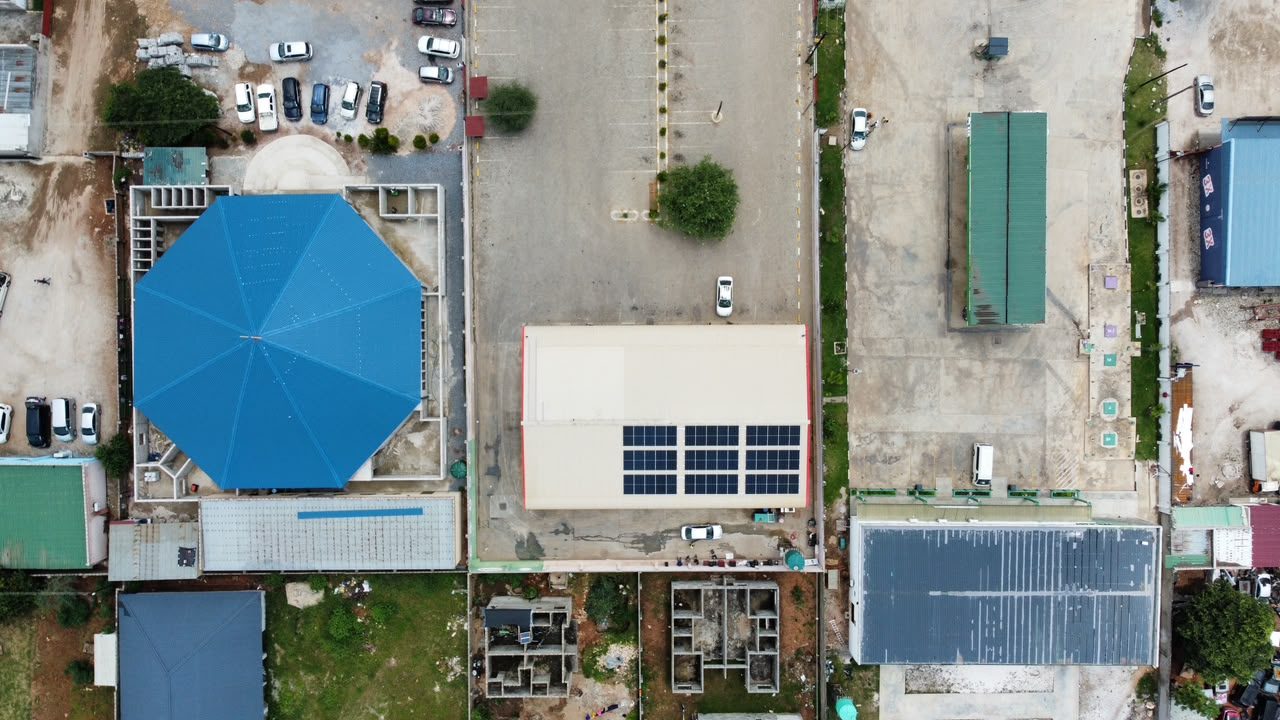
Multi-building rooftop generation

10Multi-building rooftop generation

Rooftop array, light industrial premises
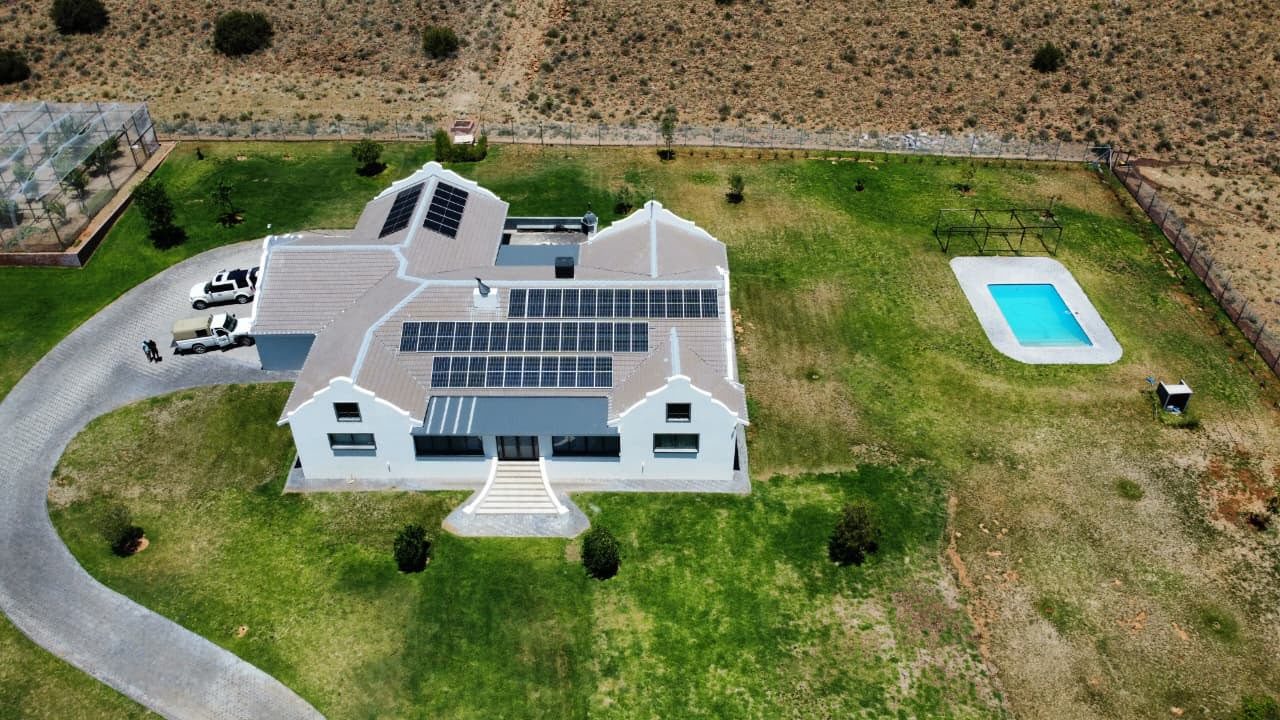
11Rooftop array, light industrial premises

Rooftop installation with north-facing orientation
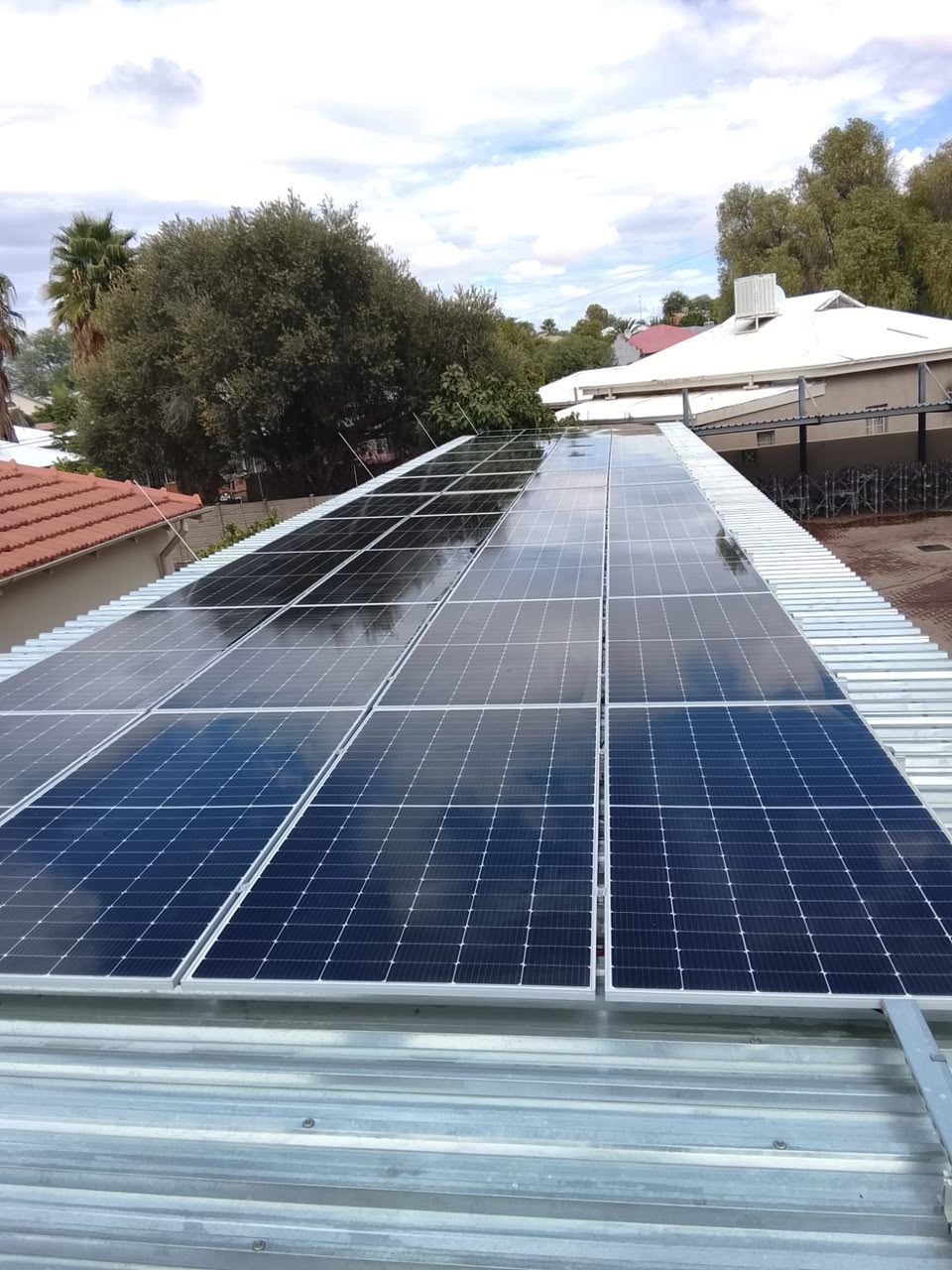
12Rooftop installation with north-facing orientation

Rail-mounted modules, sheeted roof

13Rail-mounted modules, sheeted roof

Fenced ground-mount array under commissioning
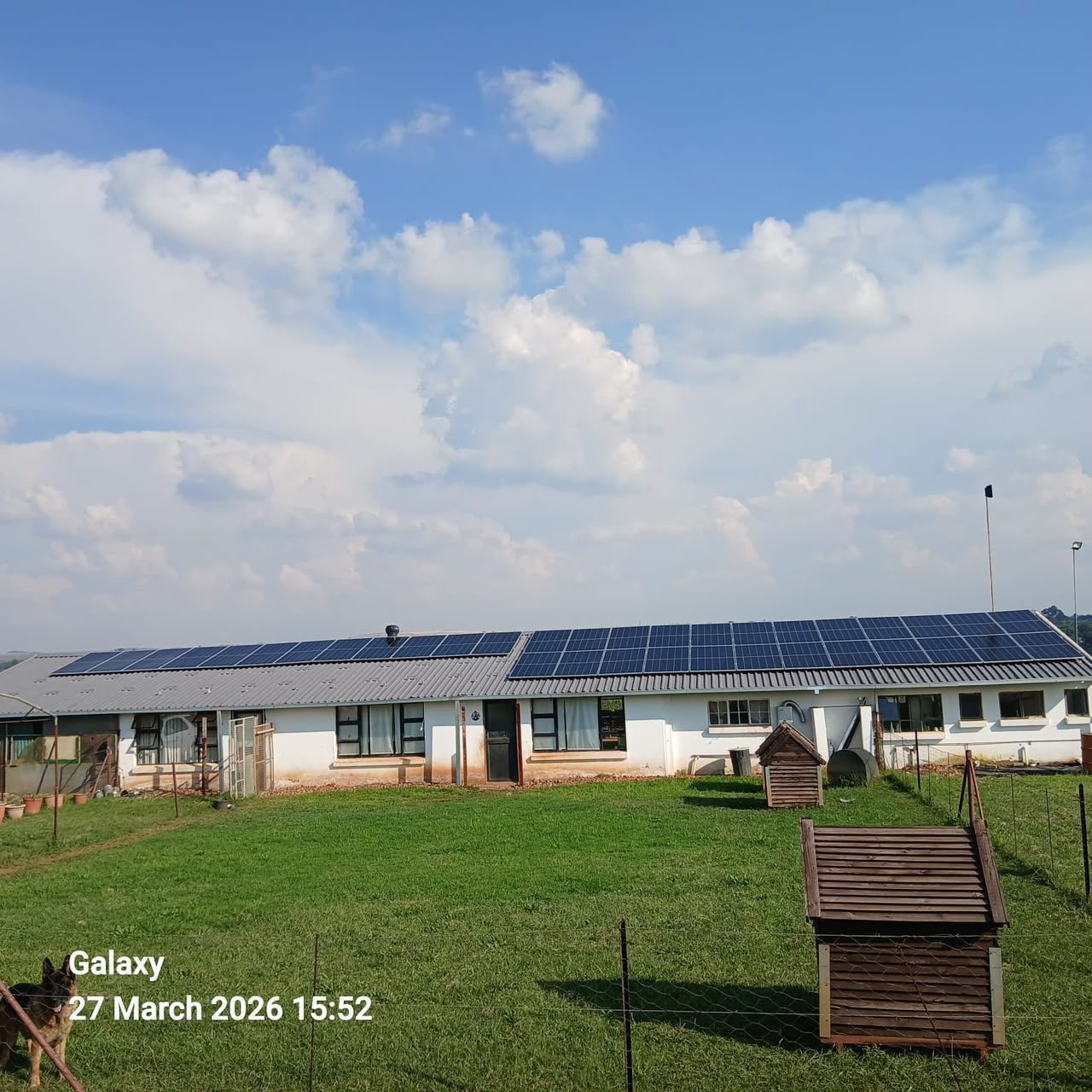
14Fenced ground-mount array under commissioning

Rooftop generation, rural facility

15Rooftop generation, rural facility

Module rows and mounting rail detail

16Module rows and mounting rail detail

Commercial rooftop array, industrial district

01Commercial rooftop array, industrial district

Rooftop generation and water storage, agricultural site

02Rooftop generation and water storage, agricultural site

Ground-mounted array, remote communications site

03Ground-mounted array, remote communications site

Full-span rooftop array, distribution warehouse

04Full-span rooftop array, distribution warehouse

Ground-mounted array on a cleared site

05Ground-mounted array on a cleared site

Rooftop installation, residential property

06Rooftop installation, residential property

Sheeted-roof array, agricultural building

07Sheeted-roof array, agricultural building

Mast-side generation, high-altitude site

08Mast-side generation, high-altitude site

Tilt-frame modules on a low-pitch roof

09Tilt-frame modules on a low-pitch roof

Multi-building rooftop generation

10Multi-building rooftop generation

Rooftop array, light industrial premises

11Rooftop array, light industrial premises

Rooftop installation with north-facing orientation

12Rooftop installation with north-facing orientation

Rail-mounted modules, sheeted roof

13Rail-mounted modules, sheeted roof

Fenced ground-mount array under commissioning

14Fenced ground-mount array under commissioning

Rooftop generation, rural facility

15Rooftop generation, rural facility

Module rows and mounting rail detail

16Module rows and mounting rail detail

02 — Plant, switchgear and storage

Systems and Equipment


Inverters, low-voltage reticulation, protection and battery storage, installed to the approved design and commissioned for the way each site will run.
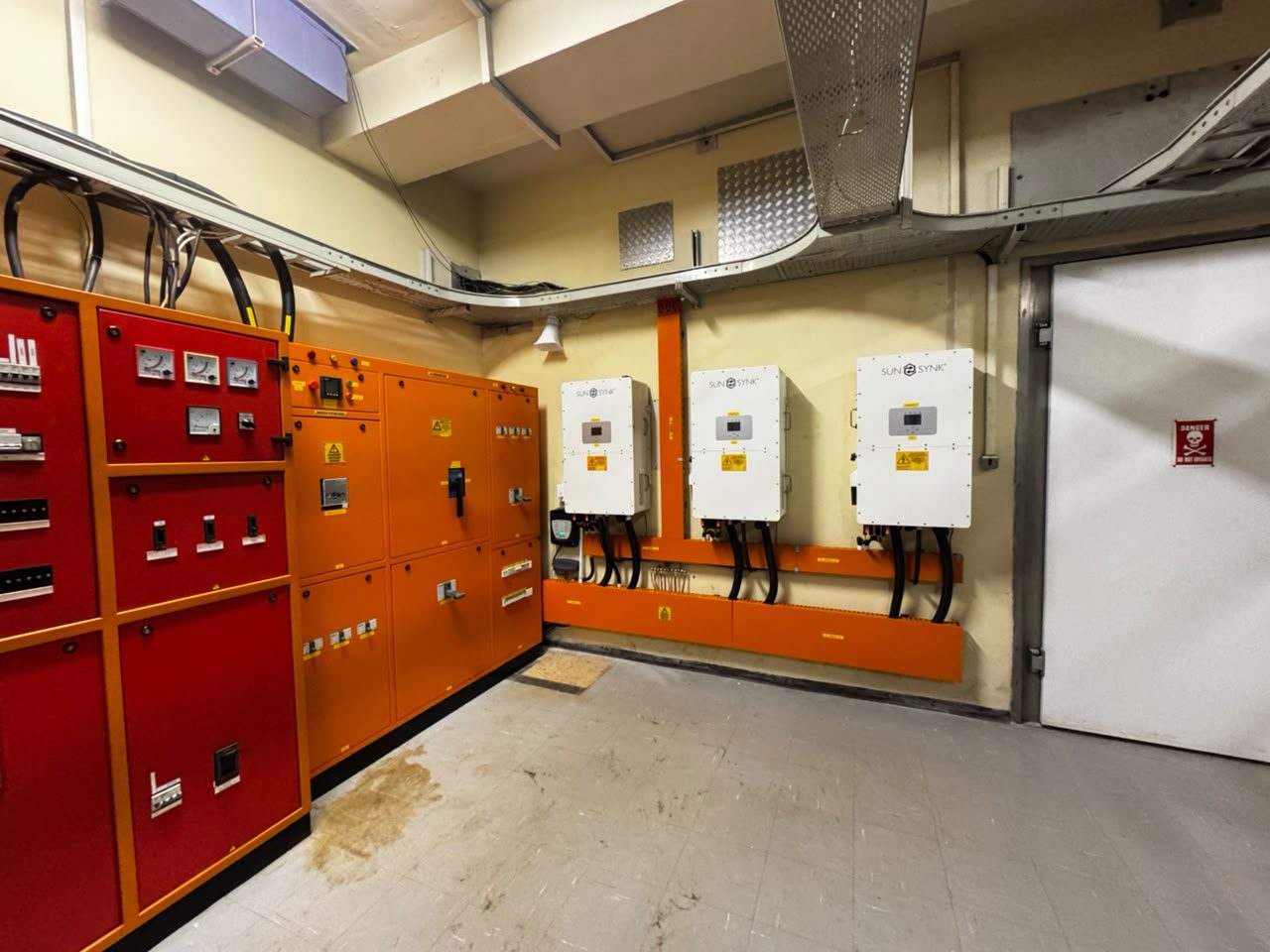
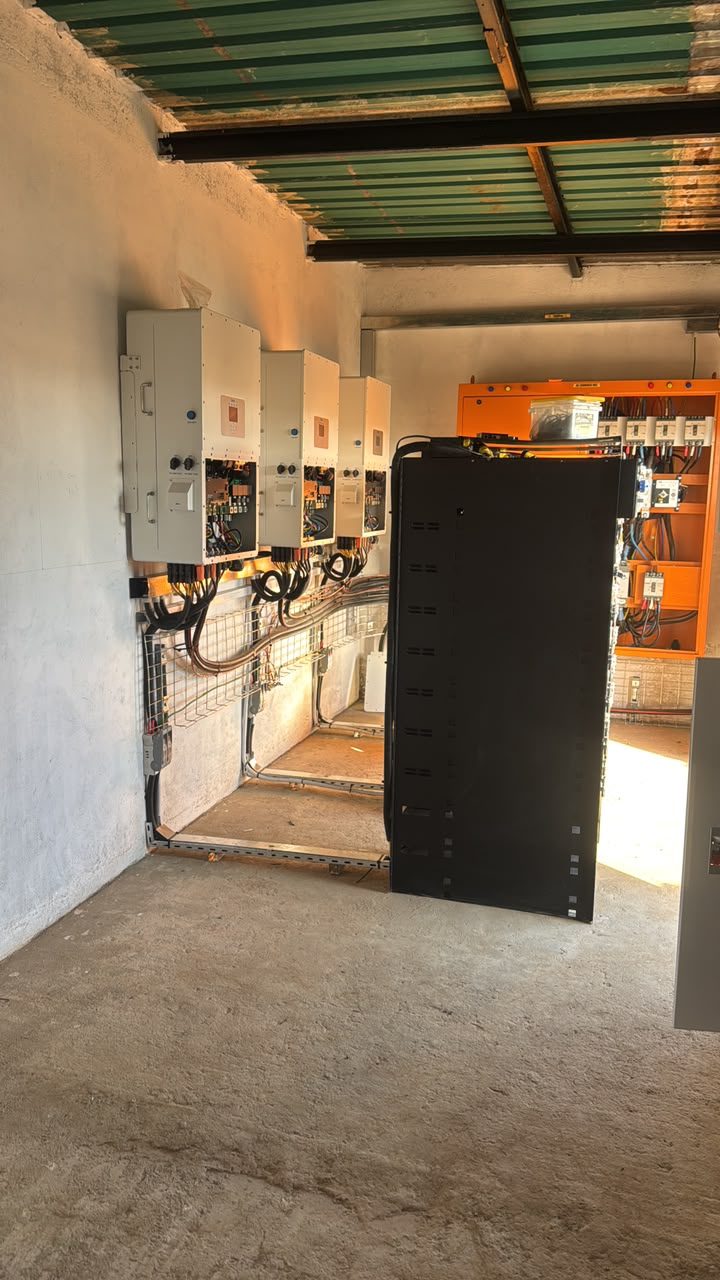
Low-voltage switchgear and grid-tied inverters
01Low-voltage switchgear and grid-tied inverters

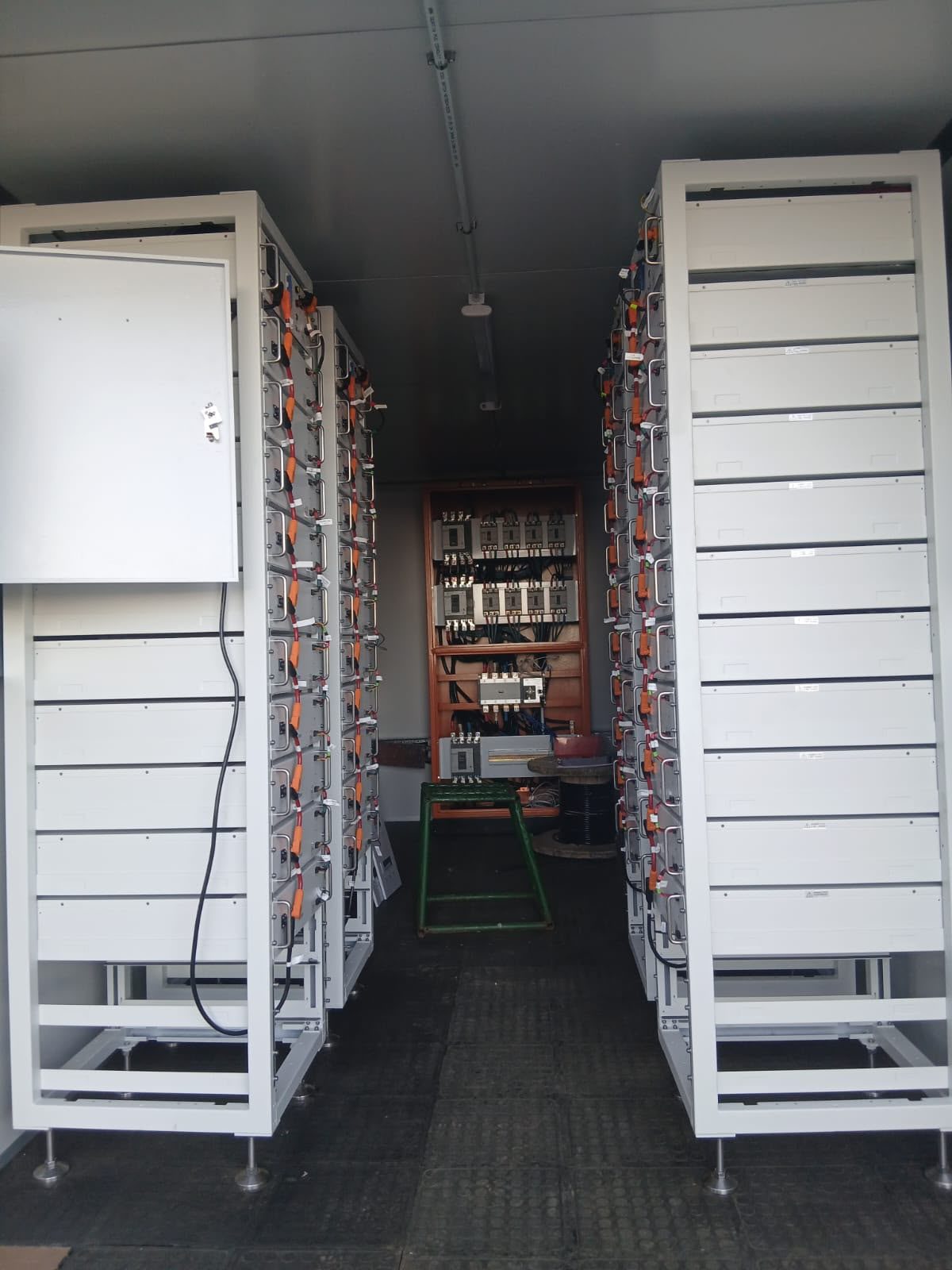
Lithium iron phosphate battery racks, climate-controlled room
02Lithium iron phosphate battery racks, climate-controlled room

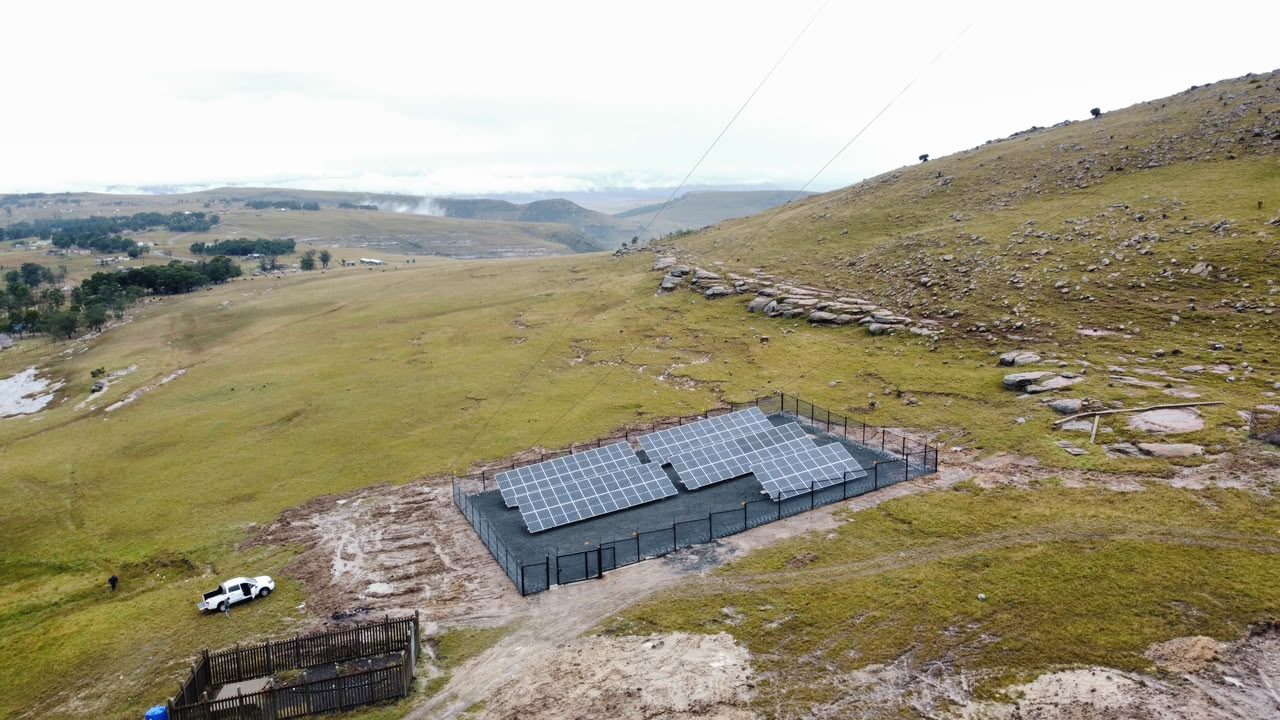
Containerised battery energy storage, remote site
03Containerised battery energy storage, remote site

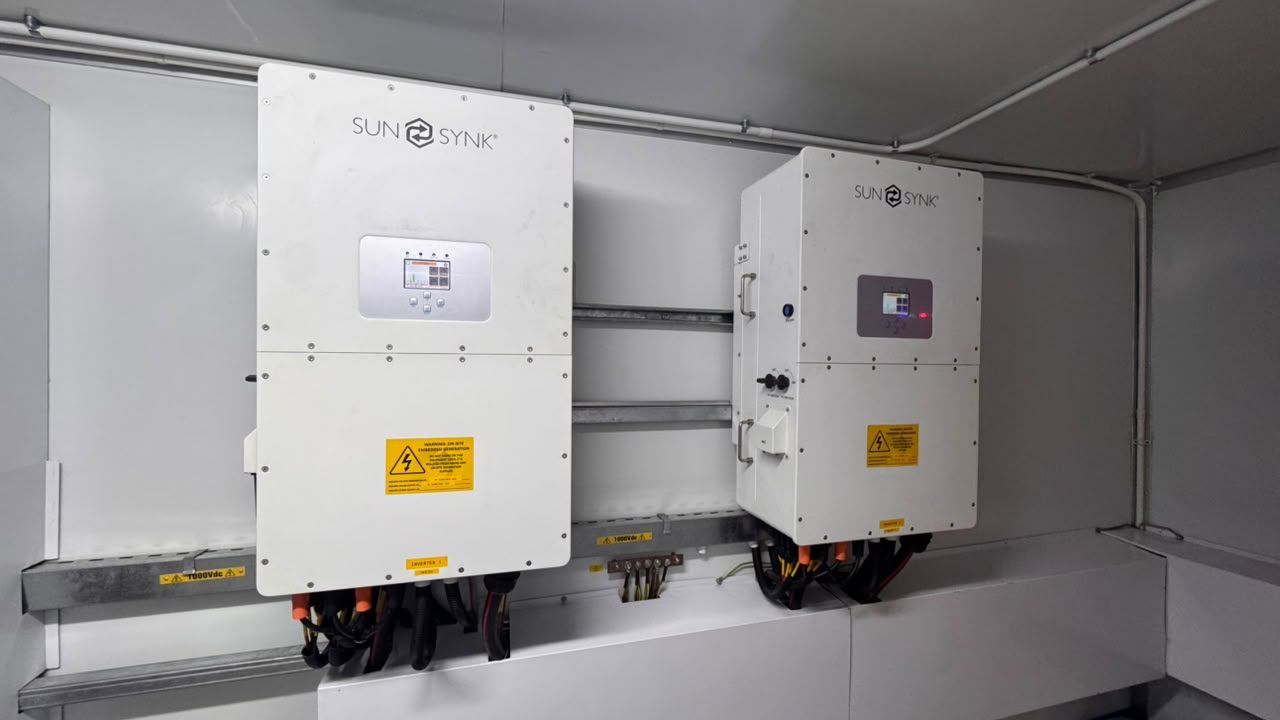
String inverters, plant room wall mount
04String inverters, plant room wall mount

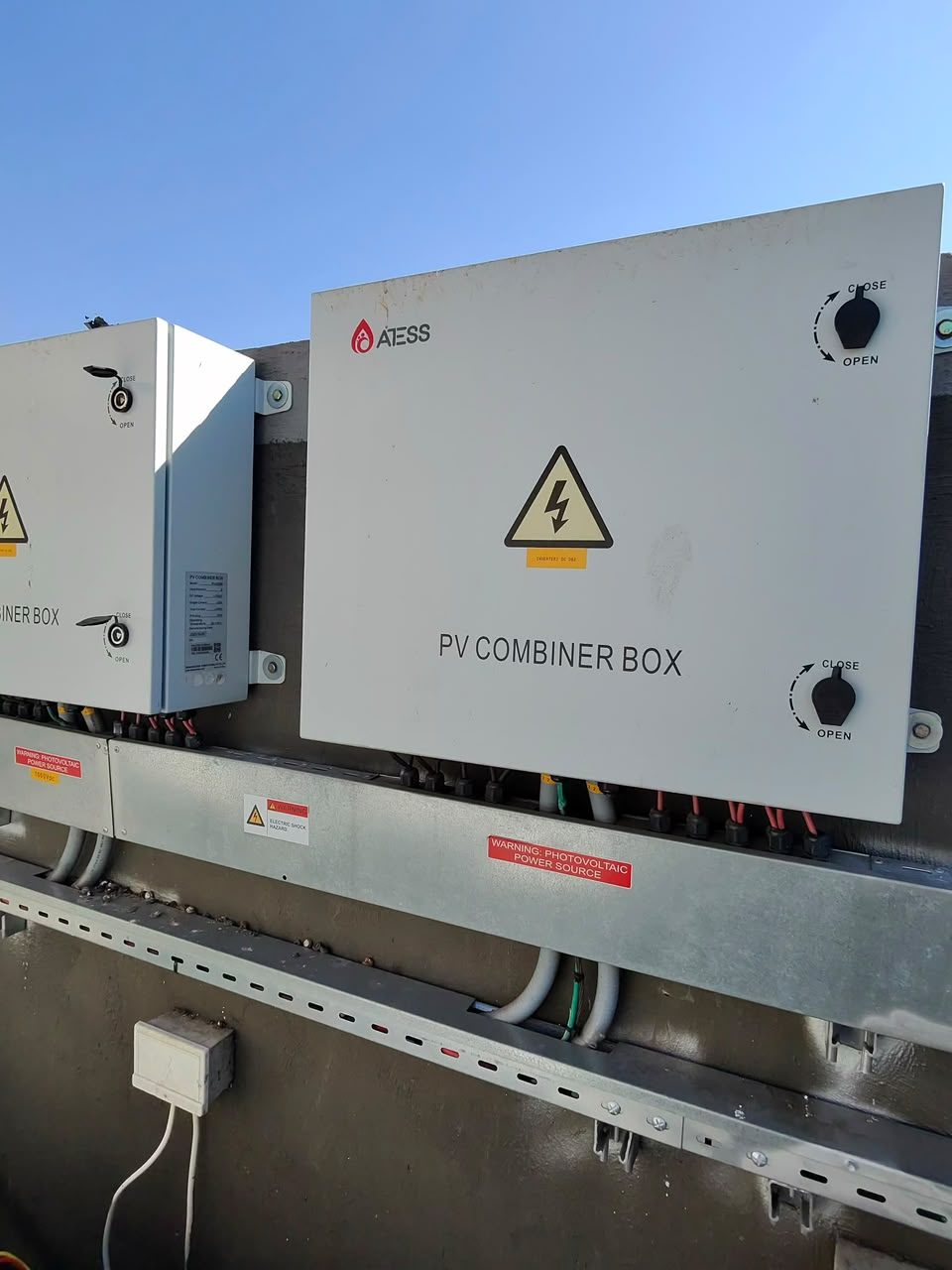
PV combiner box and DC cabling

05PV combiner box and DC cabling

Distribution board, breaker arrangement
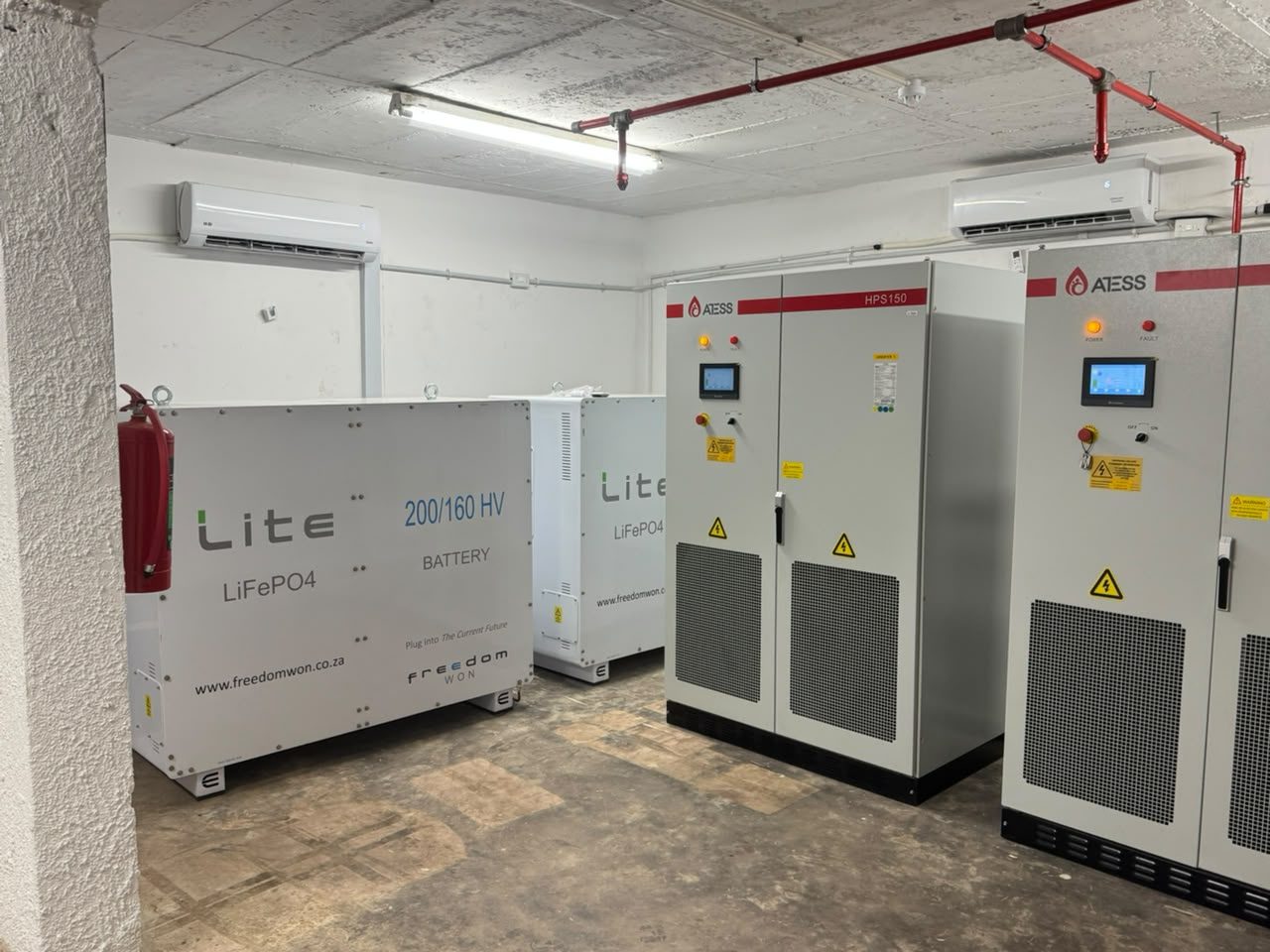
06Distribution board, breaker arrangement

High-voltage battery bank and inverter stack
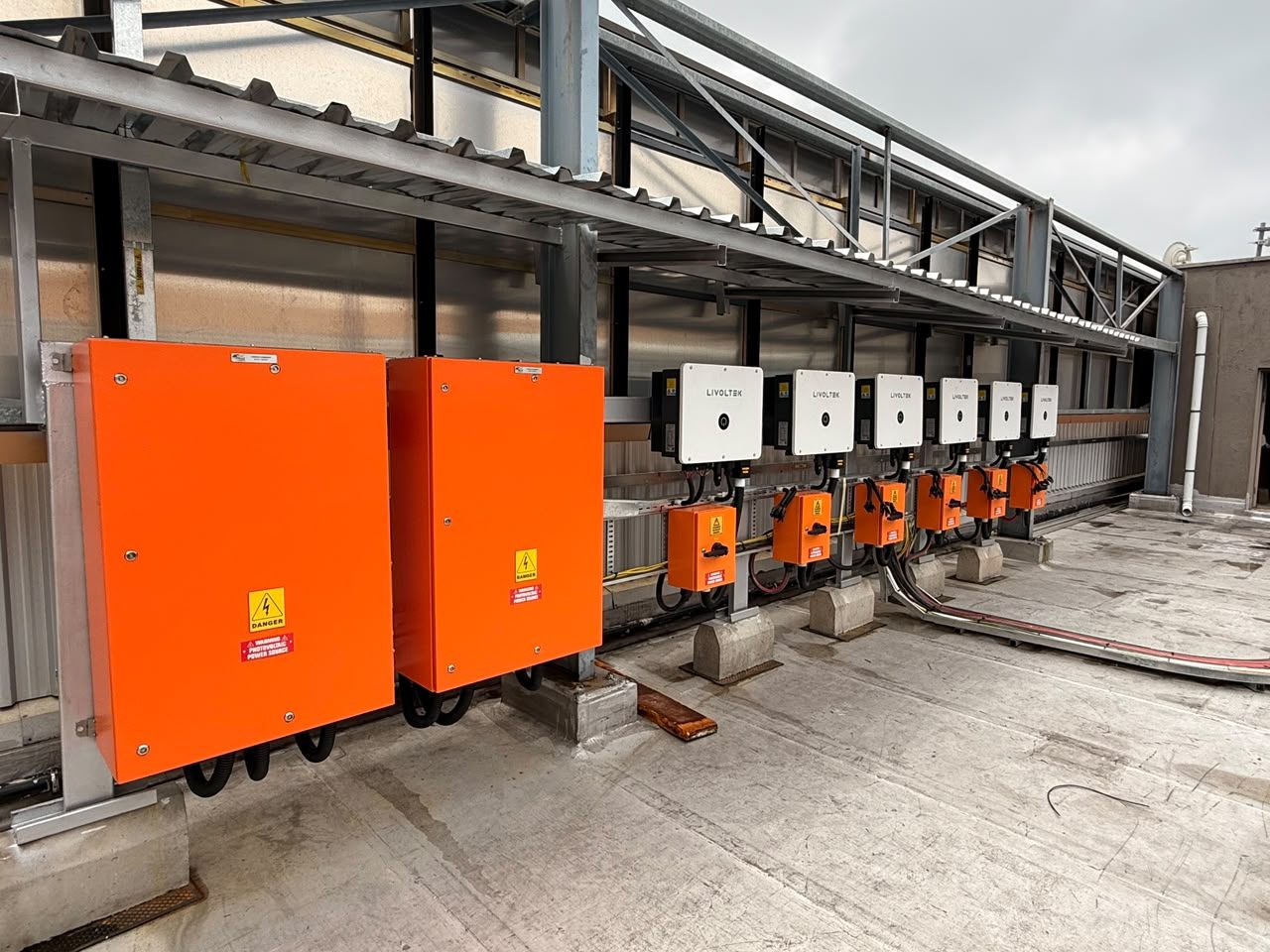
07High-voltage battery bank and inverter stack

Inverter bank and DC isolation, plant room
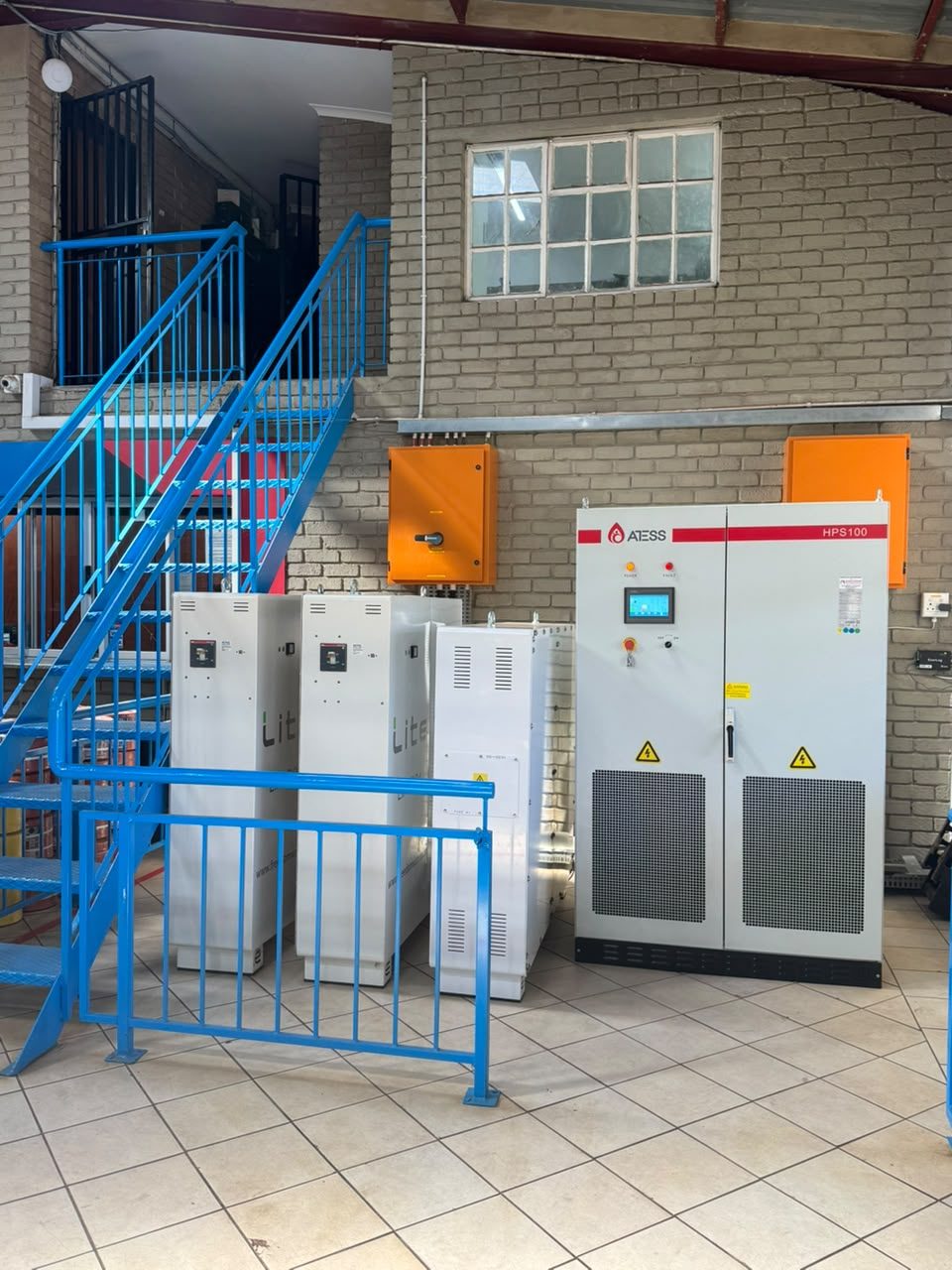
08Inverter bank and DC isolation, plant room

Hybrid inverters and battery storage, municipal site
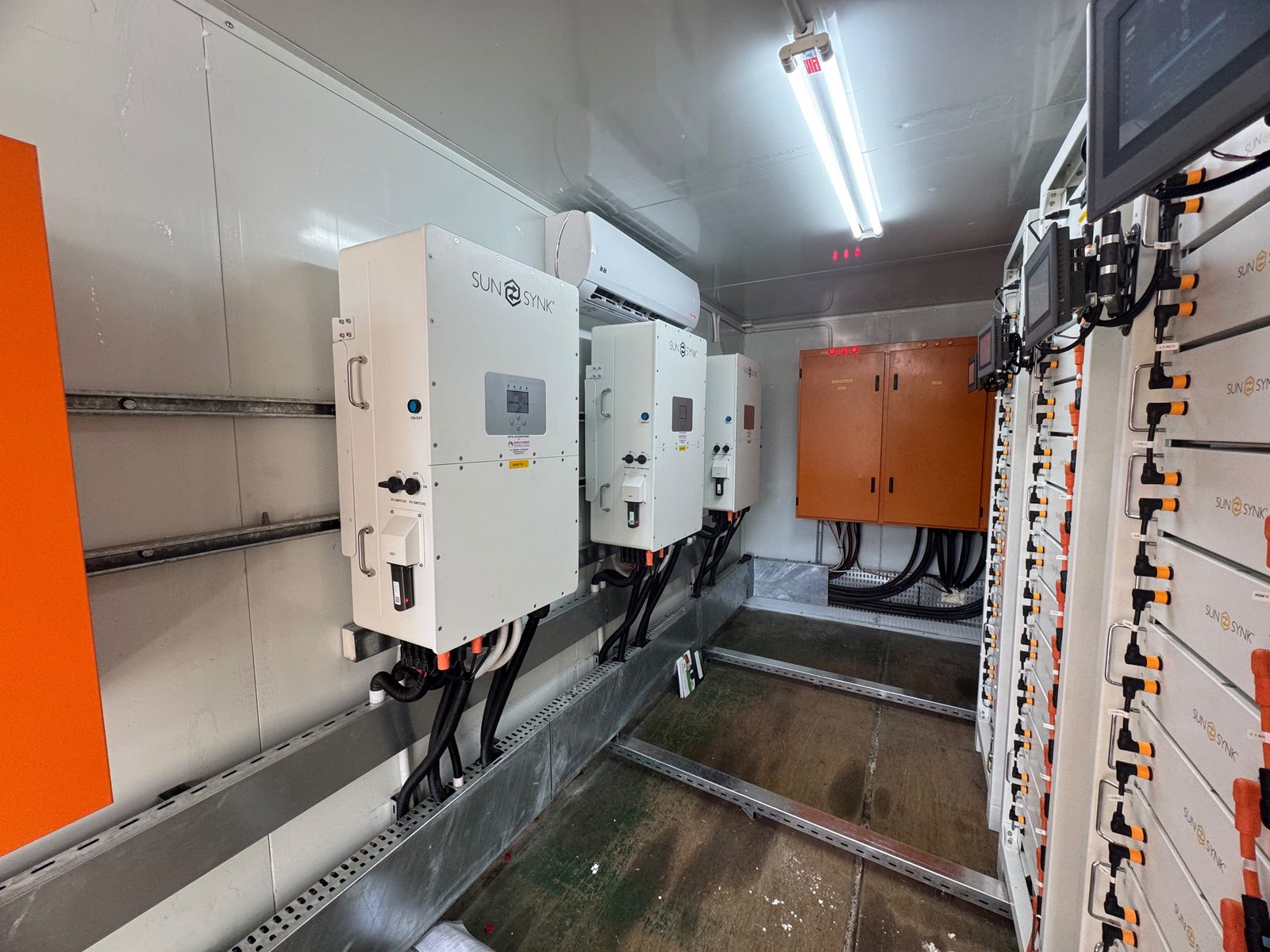
09Hybrid inverters and battery storage, municipal site

Inverter row inside a containerised plant
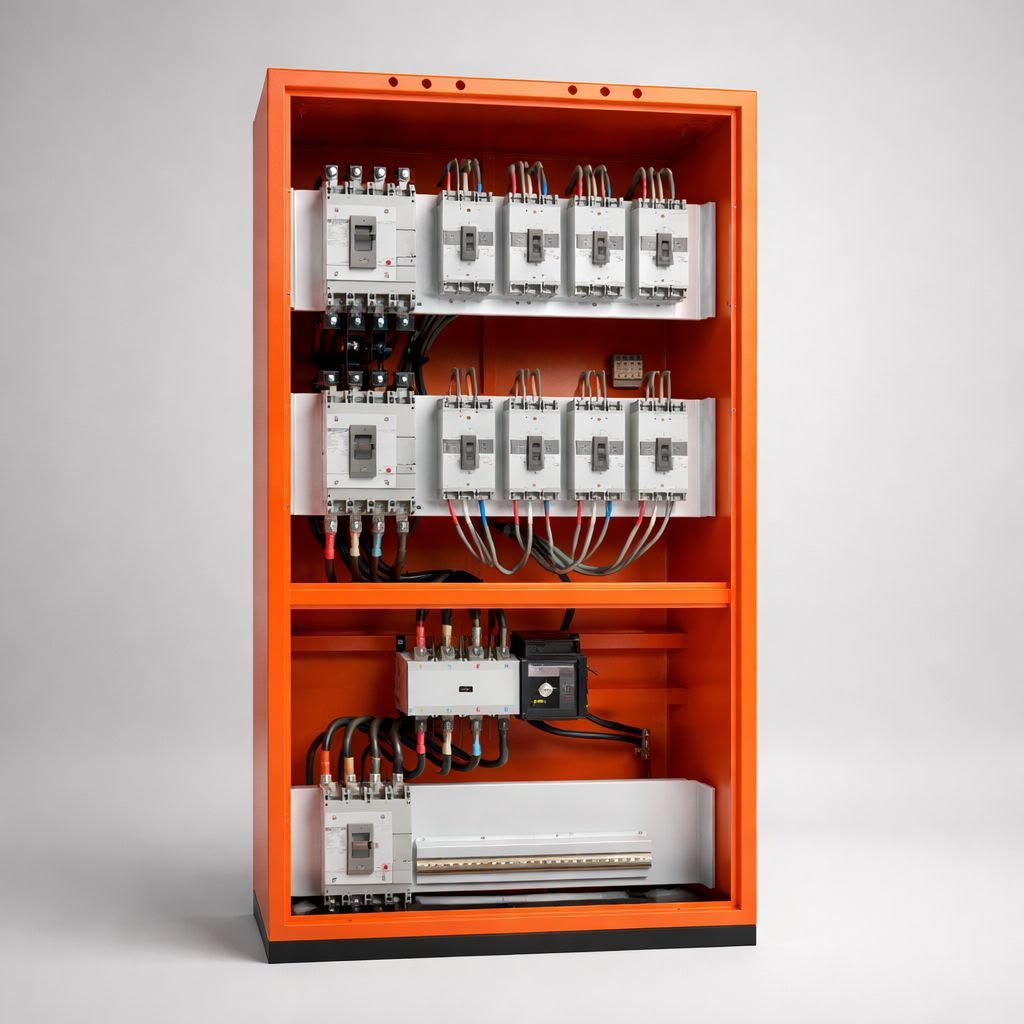
10Inverter row inside a containerised plant

DC combiner panel, factory build

11DC combiner panel, factory build

Battery bay with isolation and fire signage
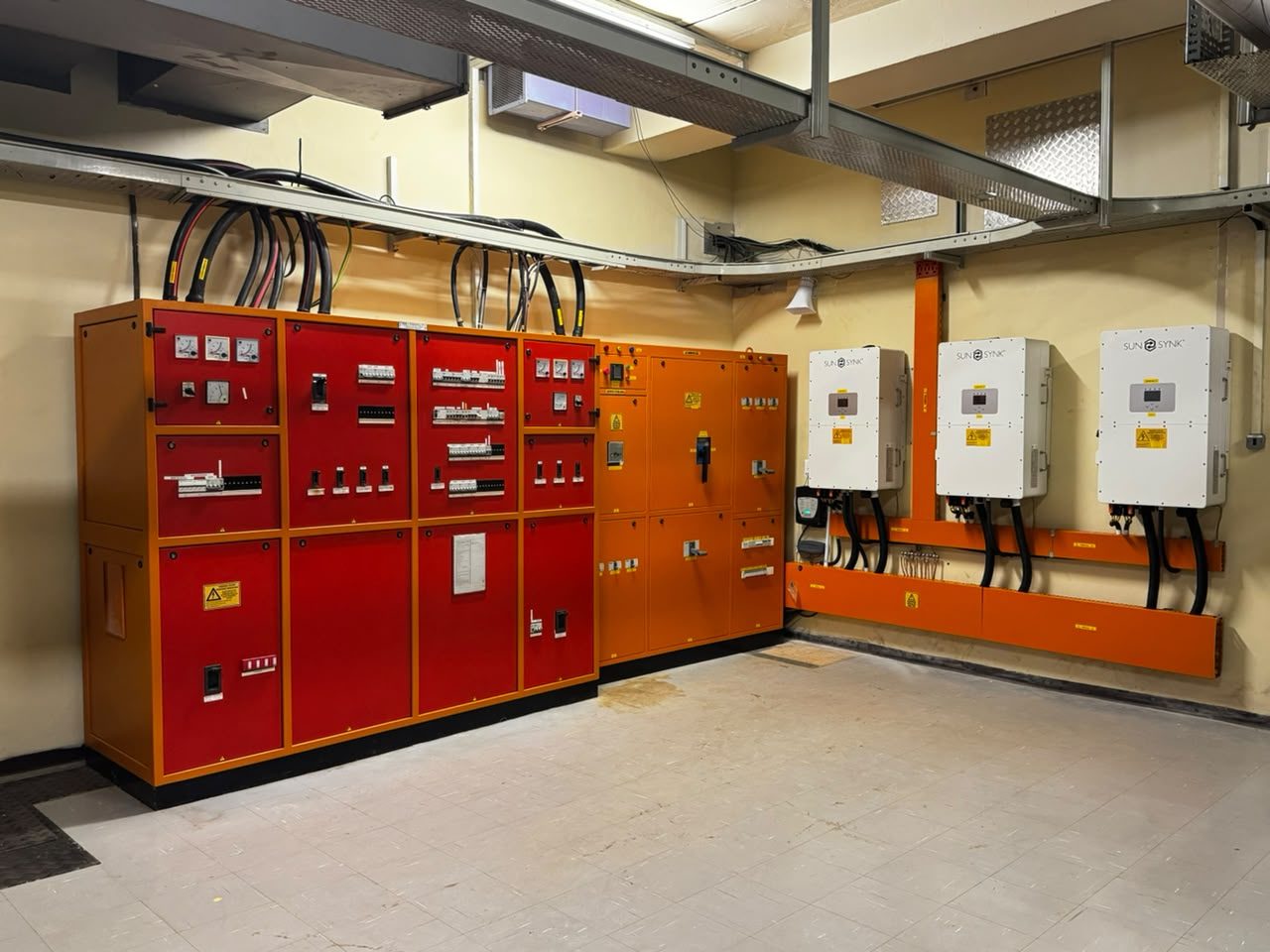
12Battery bay with isolation and fire signage

Main LV panel and inverter interface

13Main LV panel and inverter interface
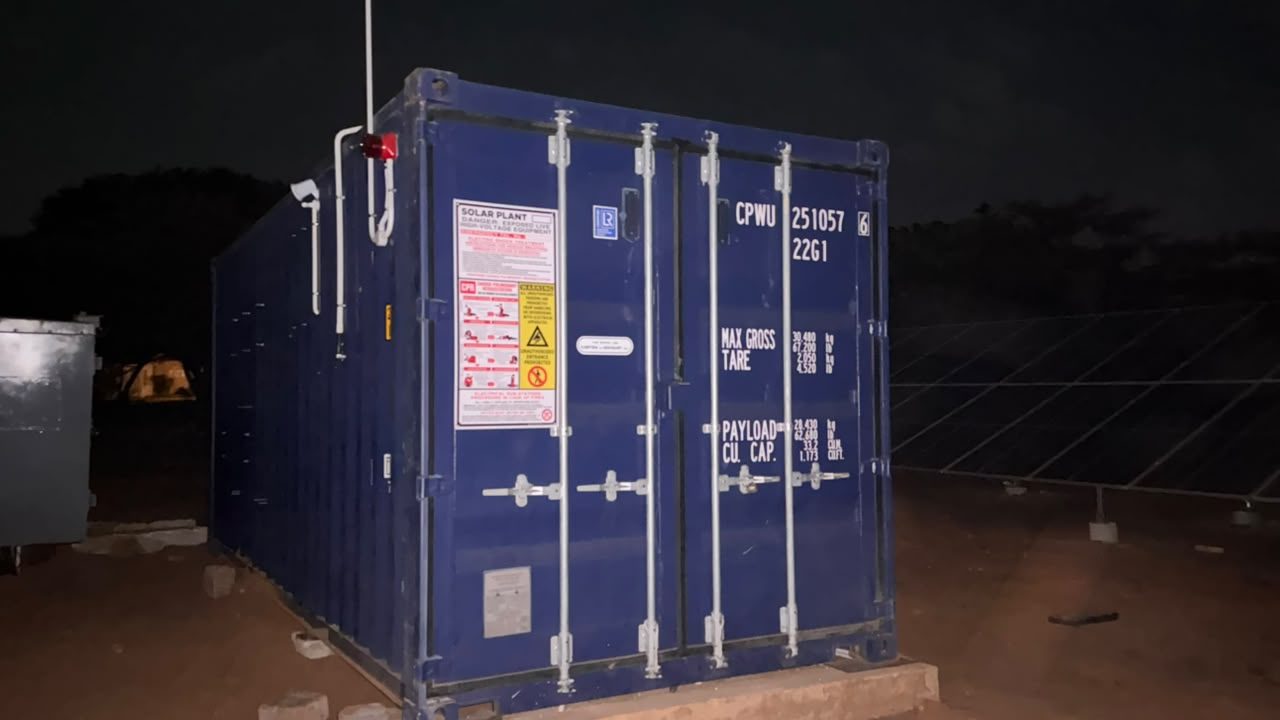
Containerised storage adjacent to the array

14Containerised storage adjacent to the array

Board wiring and protection detail

15Board wiring and protection detail

Inverters and storage, integrated plant room
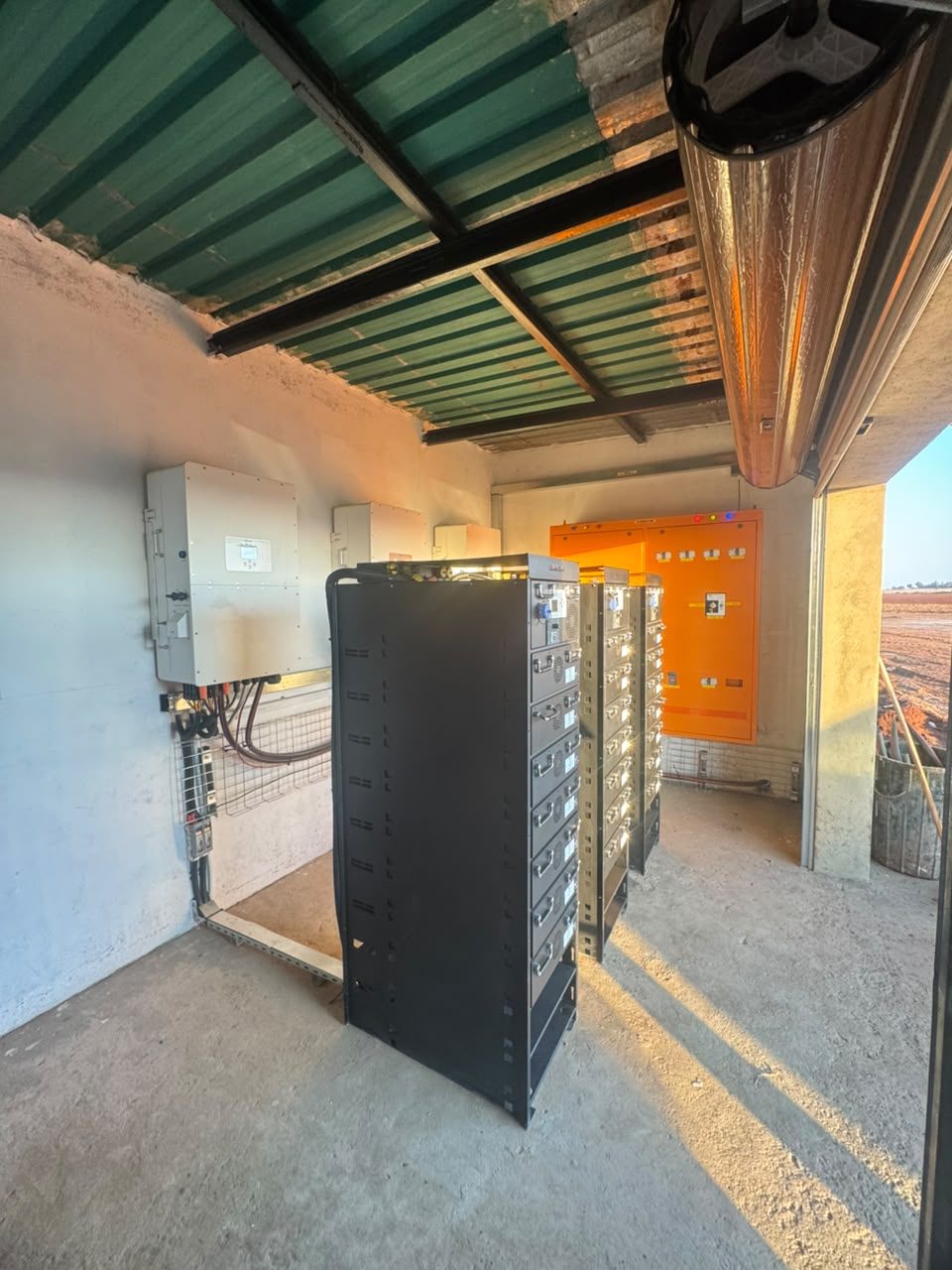
16Inverters and storage, integrated plant room

Battery rack, containerised installation
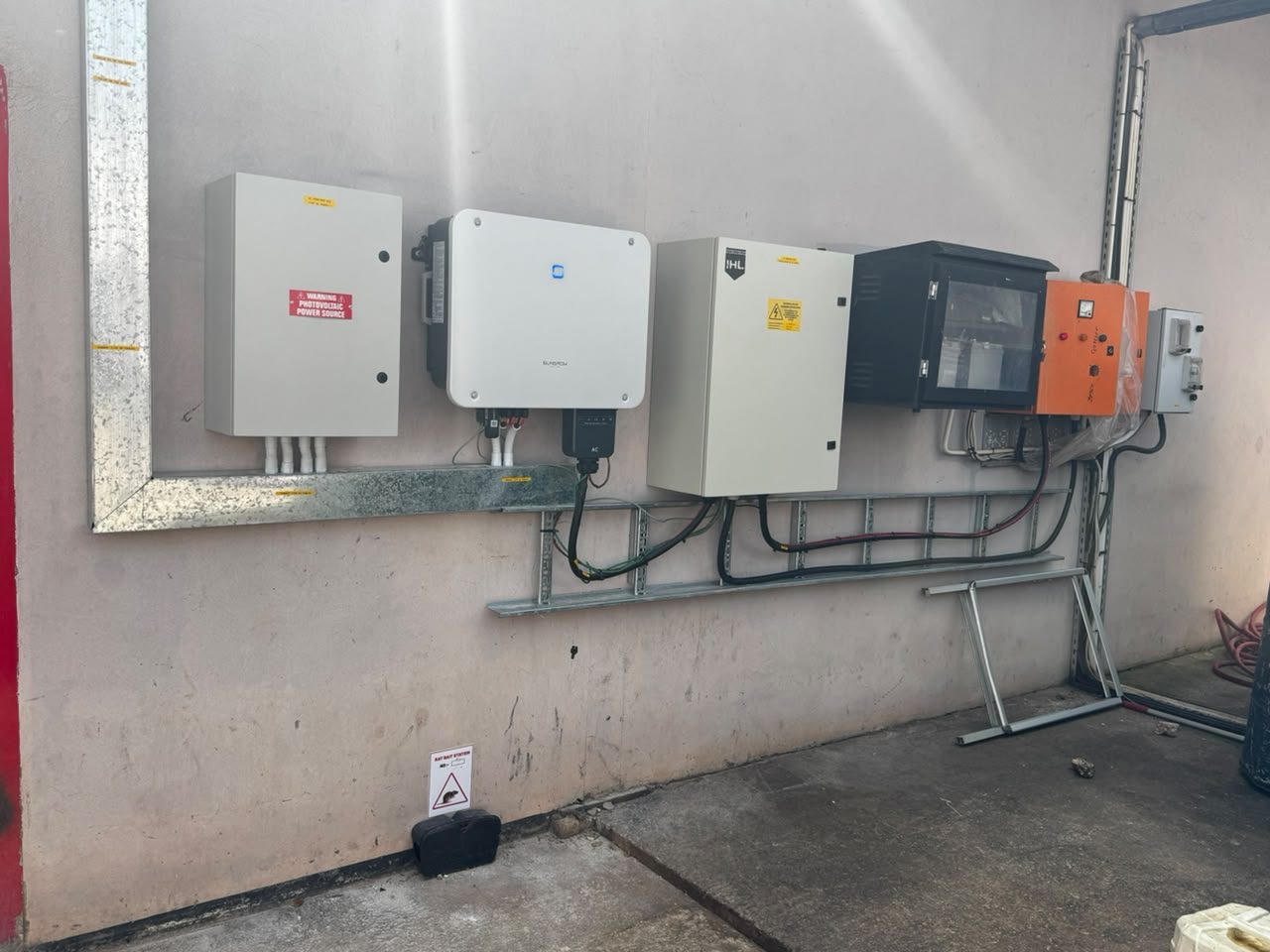
17Battery rack, containerised installation

Inverter with AC and DC isolators

18Inverter with AC and DC isolators

Board with generator changeover

19Board with generator changeover

Inverter and battery rack layout

20Inverter and battery rack layout

Battery bay with environmental control

21Battery bay with environmental control

Inverter, metering and monitoring interface
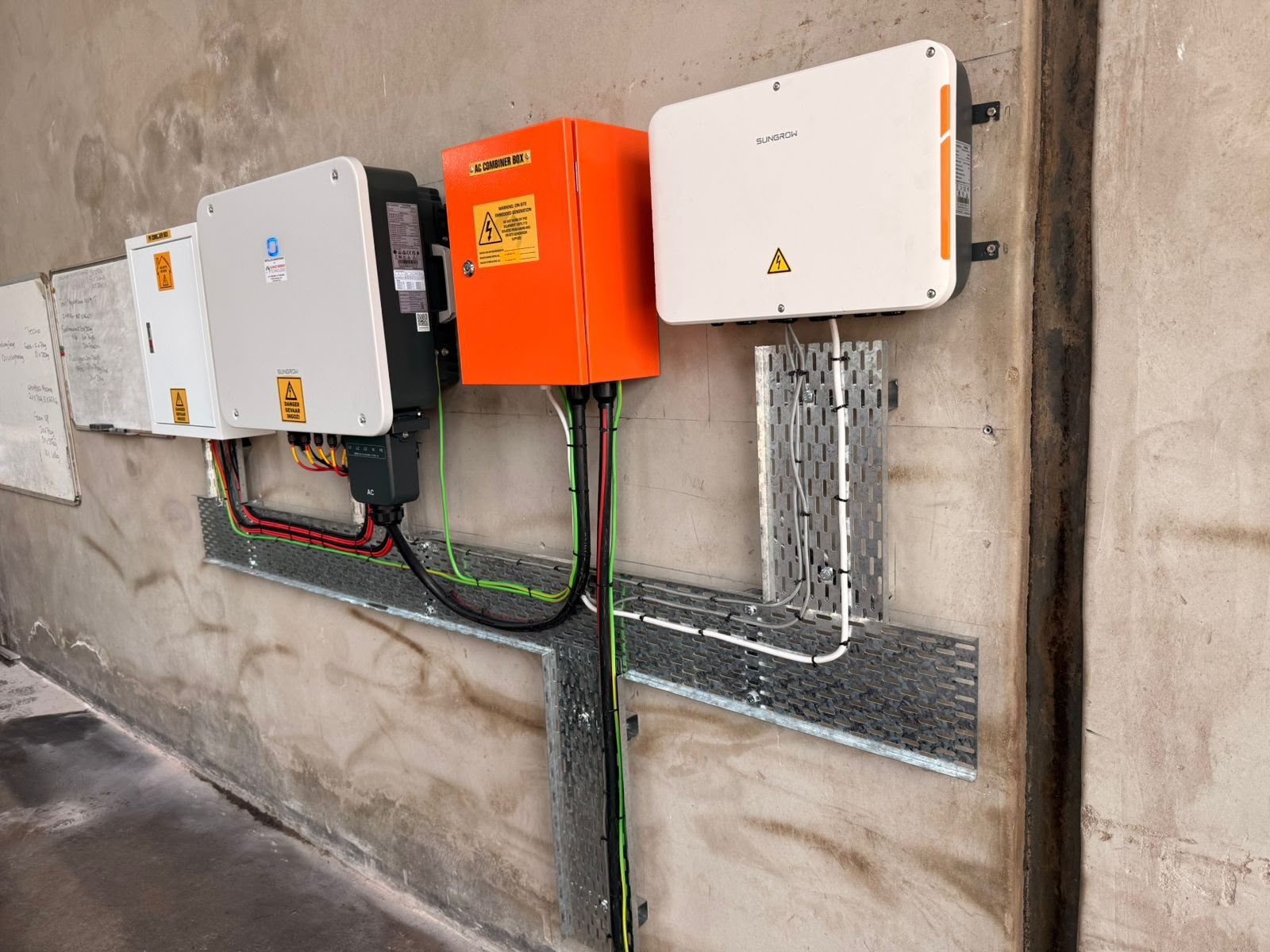
22Inverter, metering and monitoring interface

Isolator and cable containment detail

23Isolator and cable containment detail
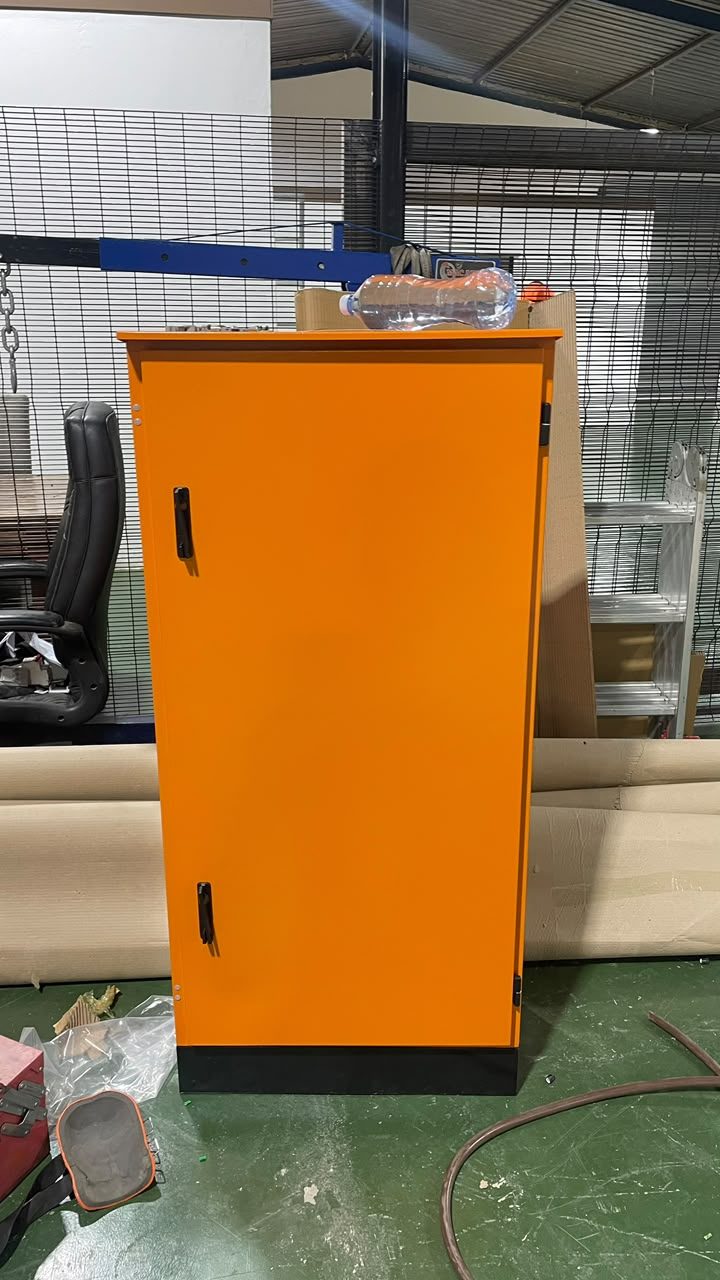
Enclosure build, workshop

24Enclosure build, workshop

Low-voltage switchgear and grid-tied inverters

01Low-voltage switchgear and grid-tied inverters

Lithium iron phosphate battery racks, climate-controlled room

02Lithium iron phosphate battery racks, climate-controlled room

Containerised battery energy storage, remote site

03Containerised battery energy storage, remote site

String inverters, plant room wall mount

04String inverters, plant room wall mount

PV combiner box and DC cabling

05PV combiner box and DC cabling

Distribution board, breaker arrangement

06Distribution board, breaker arrangement

High-voltage battery bank and inverter stack

07High-voltage battery bank and inverter stack

Inverter bank and DC isolation, plant room

08Inverter bank and DC isolation, plant room

Hybrid inverters and battery storage, municipal site

09Hybrid inverters and battery storage, municipal site

Inverter row inside a containerised plant

10Inverter row inside a containerised plant

DC combiner panel, factory build

11DC combiner panel, factory build

Battery bay with isolation and fire signage

12Battery bay with isolation and fire signage

Main LV panel and inverter interface

13Main LV panel and inverter interface

Containerised storage adjacent to the array

14Containerised storage adjacent to the array

Board wiring and protection detail

15Board wiring and protection detail

Inverters and storage, integrated plant room

16Inverters and storage, integrated plant room

Battery rack, containerised installation

17Battery rack, containerised installation

Inverter with AC and DC isolators

18Inverter with AC and DC isolators

Board with generator changeover

19Board with generator changeover

Inverter and battery rack layout

20Inverter and battery rack layout

Battery bay with environmental control

21Battery bay with environmental control

Inverter, metering and monitoring interface

22Inverter, metering and monitoring interface

Isolator and cable containment detail

23Isolator and cable containment detail

Enclosure build, workshop

24Enclosure build, workshop

Compliance and Certification


A solar installation has to meet electrical, embedded-generation and utility requirements before it can be switched on. Proper governance, control and customer satisfaction are commitments Combe 90 already holds itself to.

  • SANS 10142-1 and SANS 60364-7-712: the wiring-of-premises standard and its specific requirements for PV installations.
  • SANS 10142-1-2: covers the DC side, including panels, surge protection and battery storage.
  • Certificate of Compliance: a CoC must be issued before the system is switched on.
  • SSEG approval: grid-tied systems need an approved Small Scale Embedded Generation application from the relevant utility, such as Eskom, City Power, the City of Cape Town or eThekwini.
  • NRS 097-2-1 and NRS 097-2-3: the utility-interface requirements and simplified connection criteria for low-voltage generators.
  • Public liability insurance: SSEG registration requires cover of at least R5 million.

Why Combe 90


Combe 90 is a 100% black-owned, BBBEE level 1 business with 100% procurement recognition. Since 2015 we have worked as telemetry, fuel and inventory management specialists for the water and petroleum sectors across Africa.

For commercial and municipal buyers, our level 1 status with 100% procurement recognition counts directly towards their own procurement scorecard.

We deliver solar in-house, backed by the telemetry and monitoring work we do every day on tanks, fuel and remote assets.


Our Process


  1. Site assessment: We record how the site operates, its electricity use, the space available and its critical loads.
  2. Design: We engineer the system around the measured demand, how much backup the site needs and its practical limits.
  3. Installation: We install to the approved design, working around the site's day-to-day operations.
  4. Commissioning: We test and configure the finished system and check every operating mode.
  5. Monitoring & support: We review performance data to catch changes early, plan maintenance and make sure the system keeps running as designed.